FSM Department of Health and Social Affairs

Handing over of container laboratories to the FSM states from the Japanese Embassy

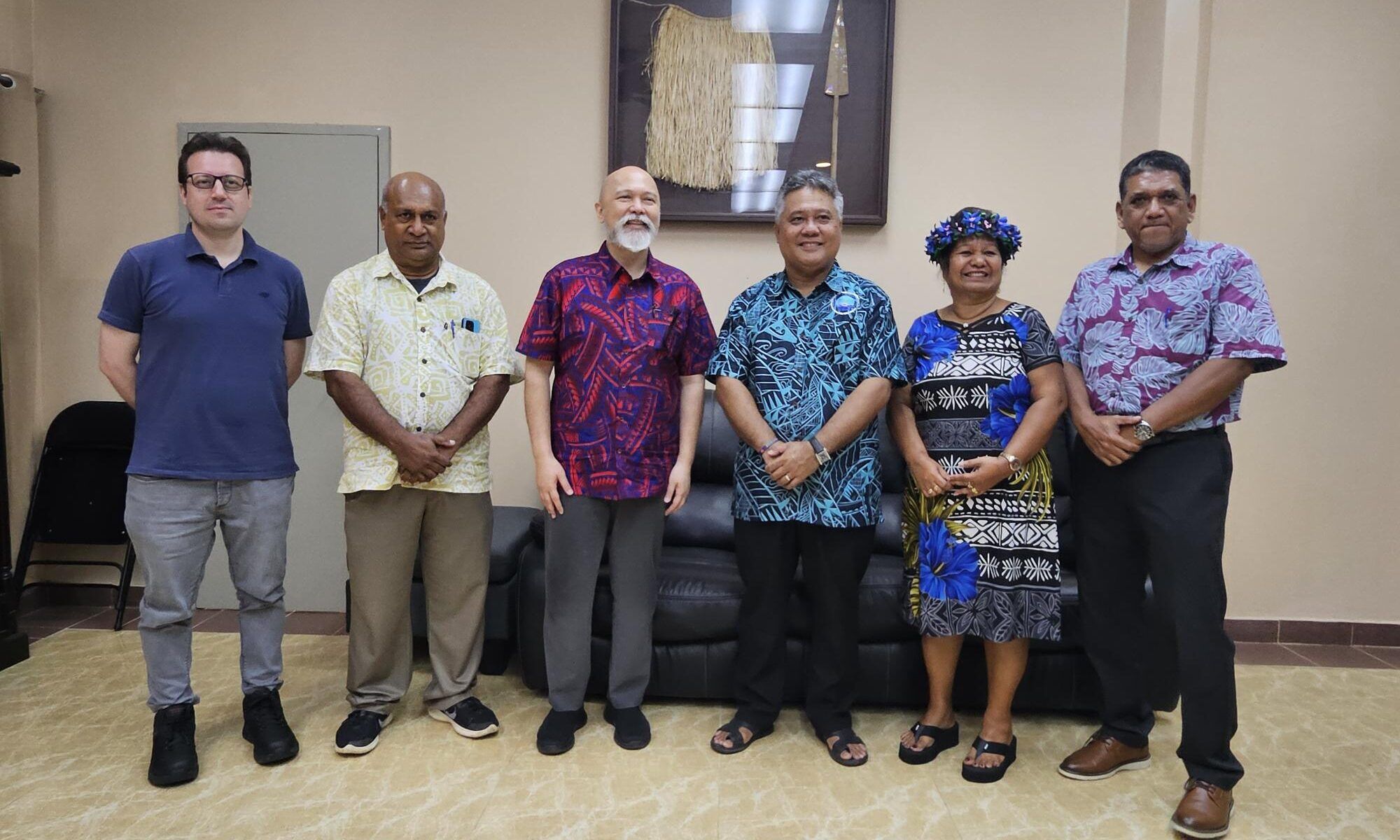
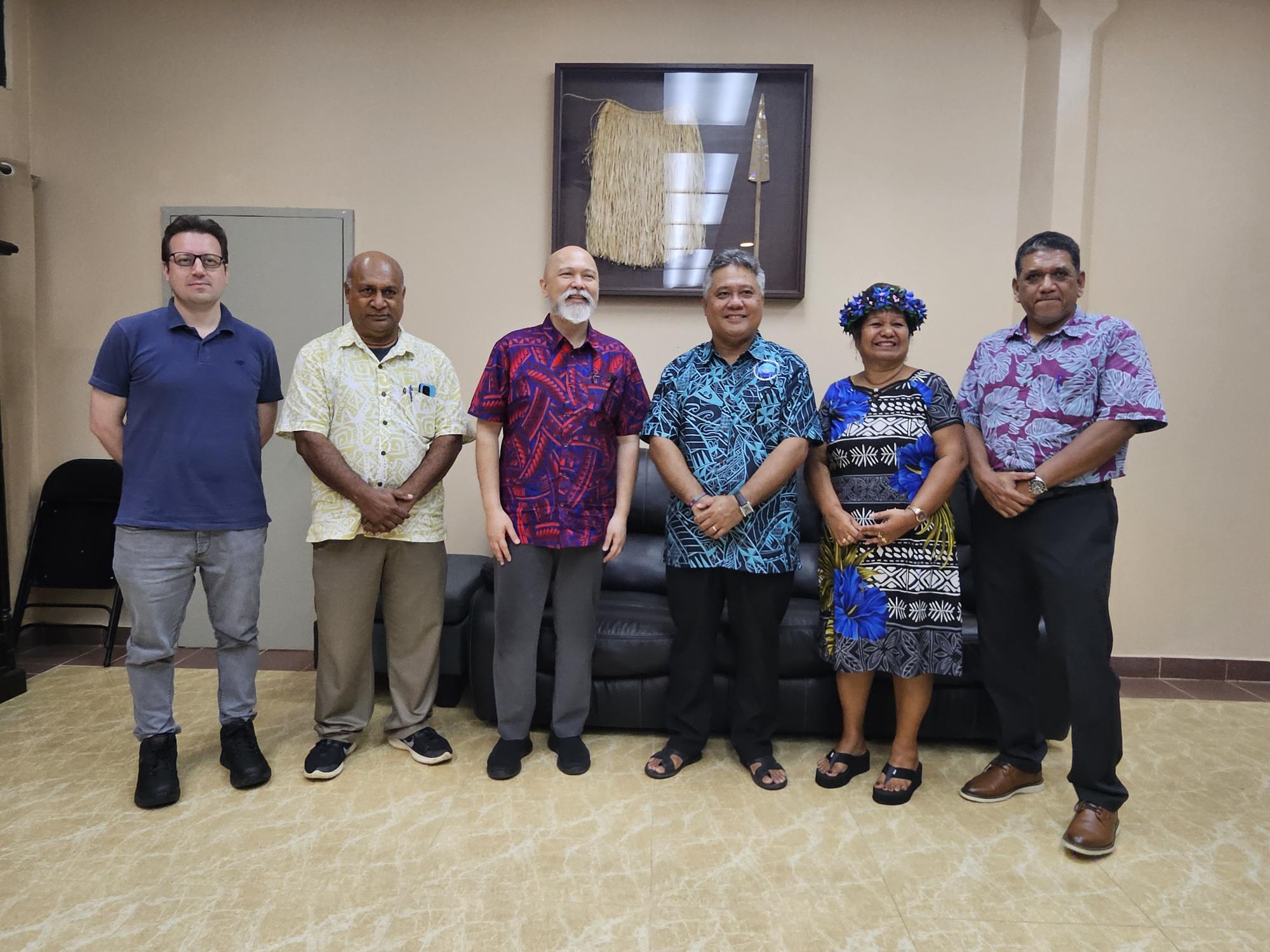
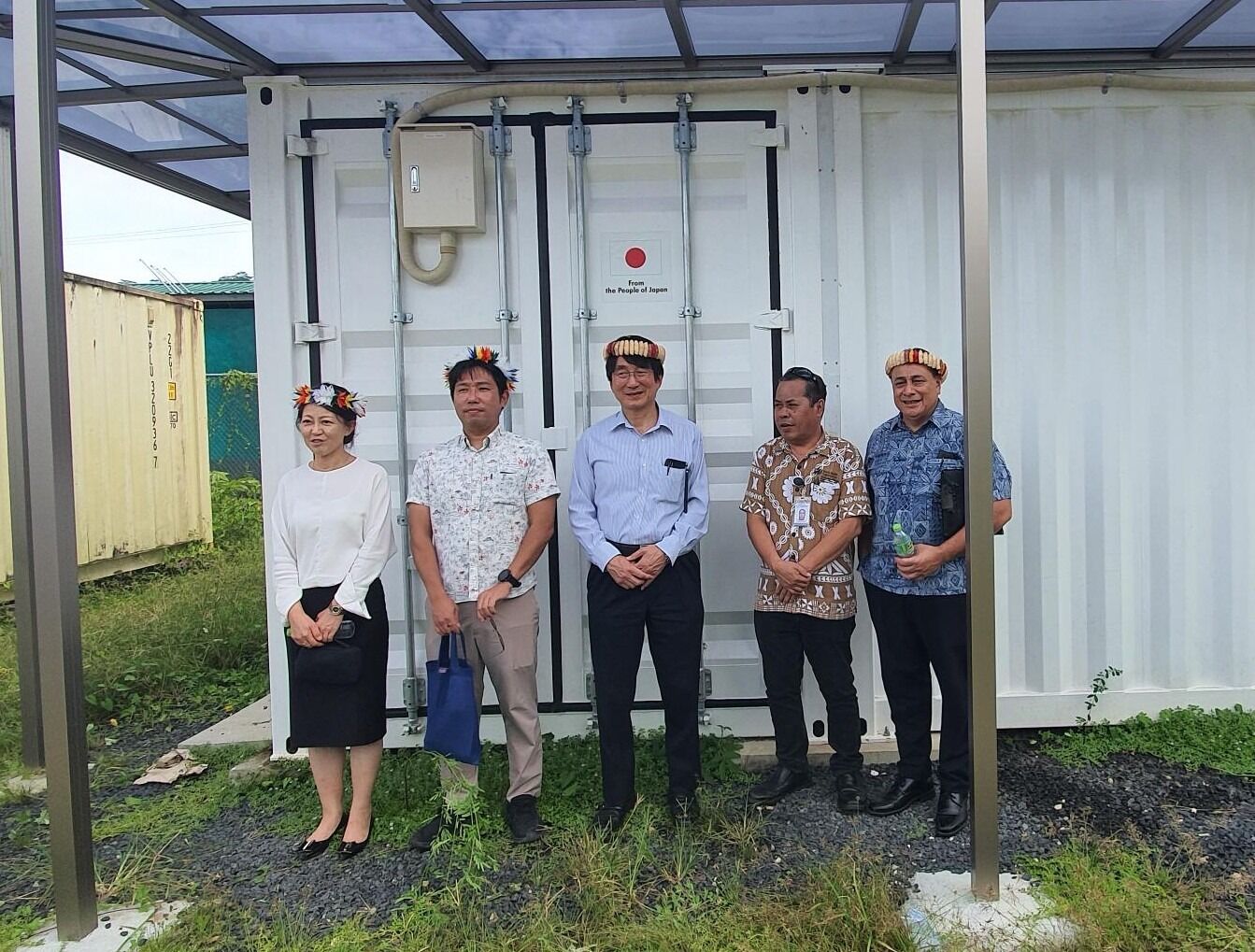
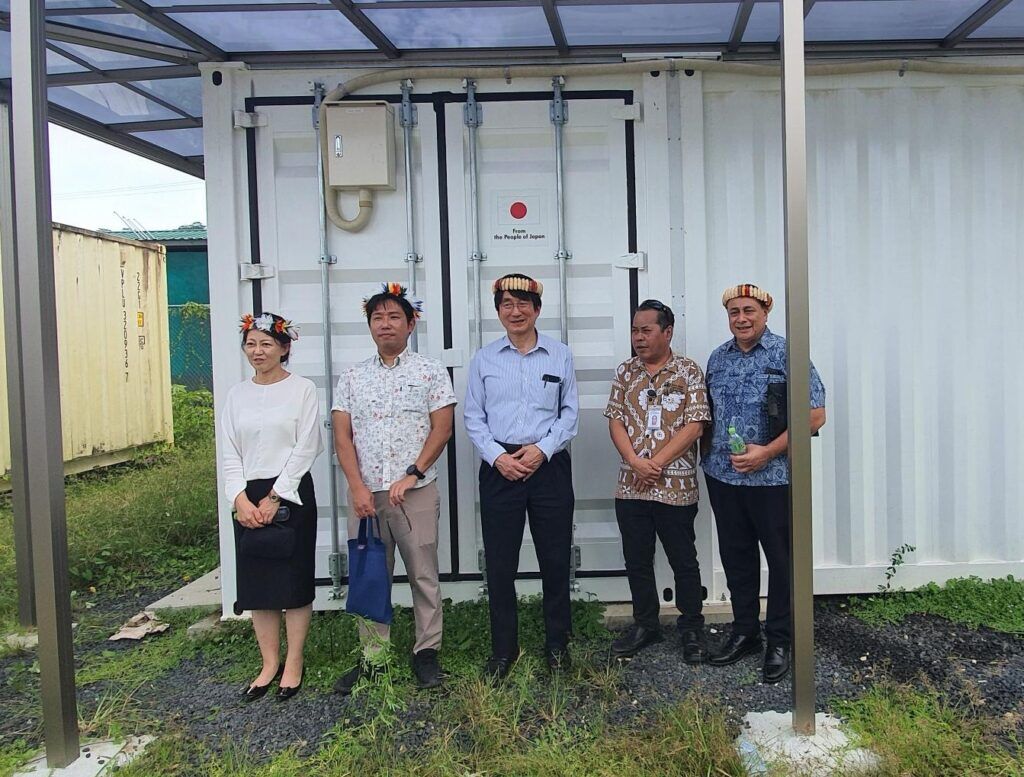
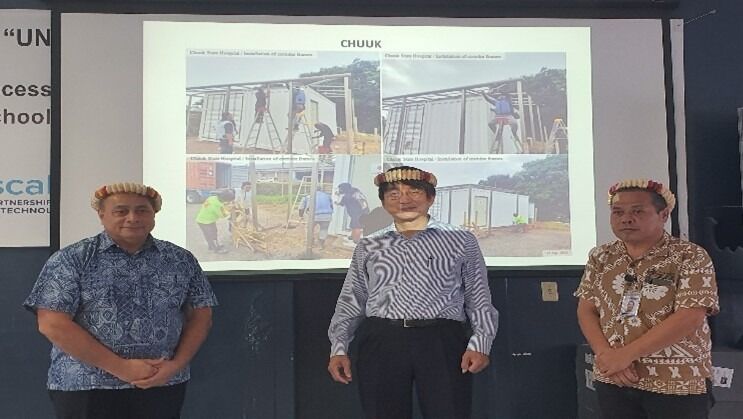
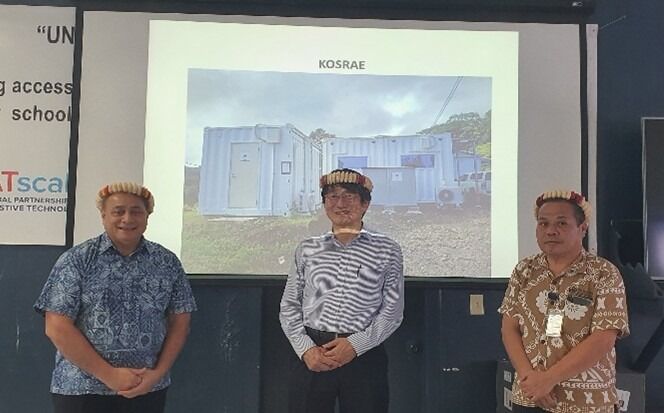
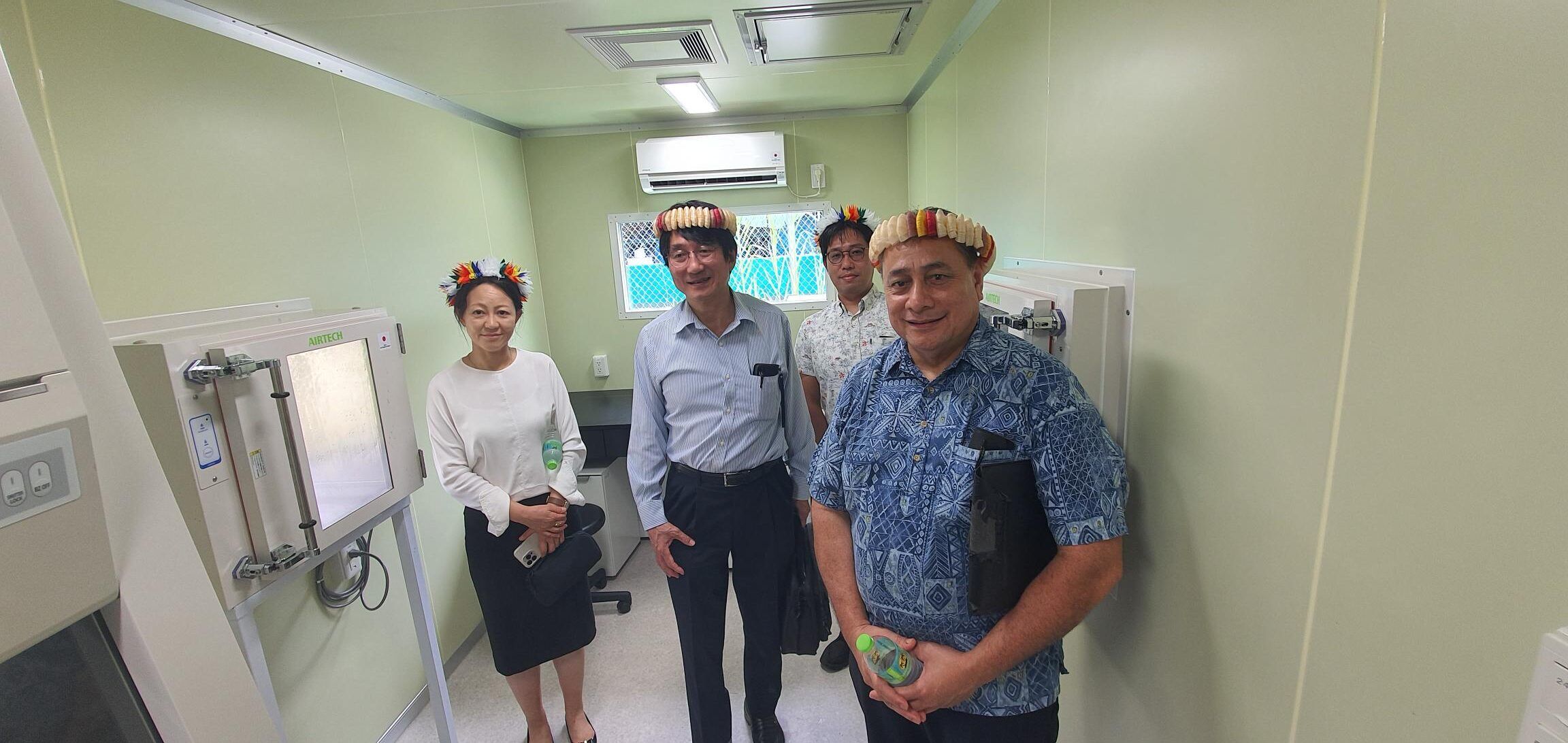
Pohnpei, November 18, 2025 – In a remarkable advancement in enhancing public health infrastructure and improving response capabilities to infectious disease outbreaks, the Japanese Embassy has formally transferred cutting-edge container laboratories to the Department of Health Services in the States of Pohnpei, Kosrae, and Chuuk. This significant handover was attended virtually by state health directors and in person by healthcare professionals from both the national and Pohnpei State Health Services, as well as esteemed representatives from the Japanese Embassy.

During the handover ceremony, His Excellency, Ambassador Nobuo Kagomiya, highlighted the profound significance of this initiative, stating, “These container laboratories represent not only a vital enhancement of our health infrastructure but also a testament to the enduring friendship and cooperative ties between Japan and the Federated States of Micronesia.” This initiative, facilitated through the Japan International Cooperation System (JICS), underscores the support extended by Japan in response to the COVID-19 pandemic.

Mr. Moses Pretrick, Assistant Secretary and proxy for the Secretary of the national health department, conveyed heartfelt appreciation for the generous donation, noting that this collaboration was the culmination of a meticulous process aimed at aligning the facilities with molecular diagnostics standards.

On behalf of the Pohnpei State director, Mr. Semenson Ehpel, Chief of Primary Care, expressed his sincere gratitude to the Government of Japan for this significant contribution. The introduction of the laboratory is expected to alleviate the workload at the hospital laboratory and enhance the efficiency of testing and surveillance activities vital to public health.

Following the official remarks, attendees had the opportunity to tour the newly established container laboratory at the public health division. The program manager of the ELC provided detailed insights into the laboratory’s features, including climate control systems, biosafety measures, and adaptable workspaces, which collectively render these facilities suitable for a diverse array of applications, from routine disease diagnostics to monitoring infectious disease outbreaks.
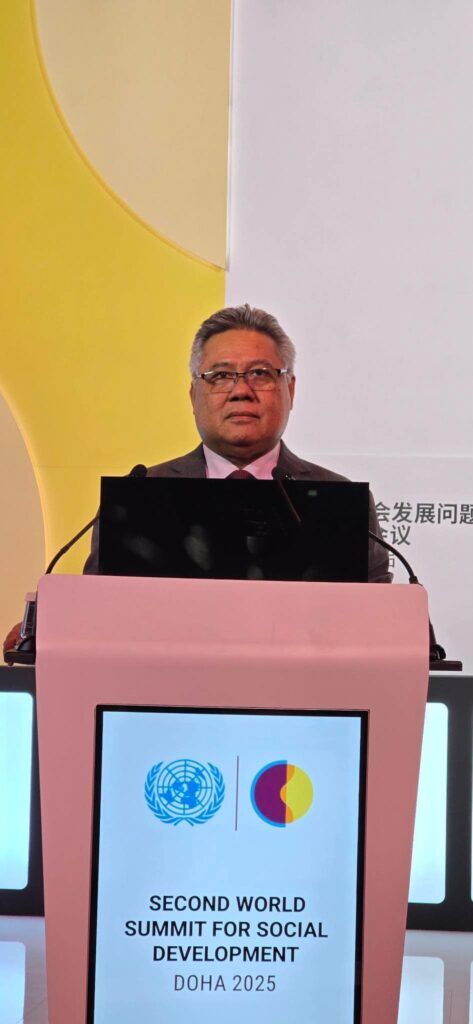
The Federated States of Micronesia Underscores Urgent Social and Development Needs at the Second World Summit for Social Development in Doha, Qatar

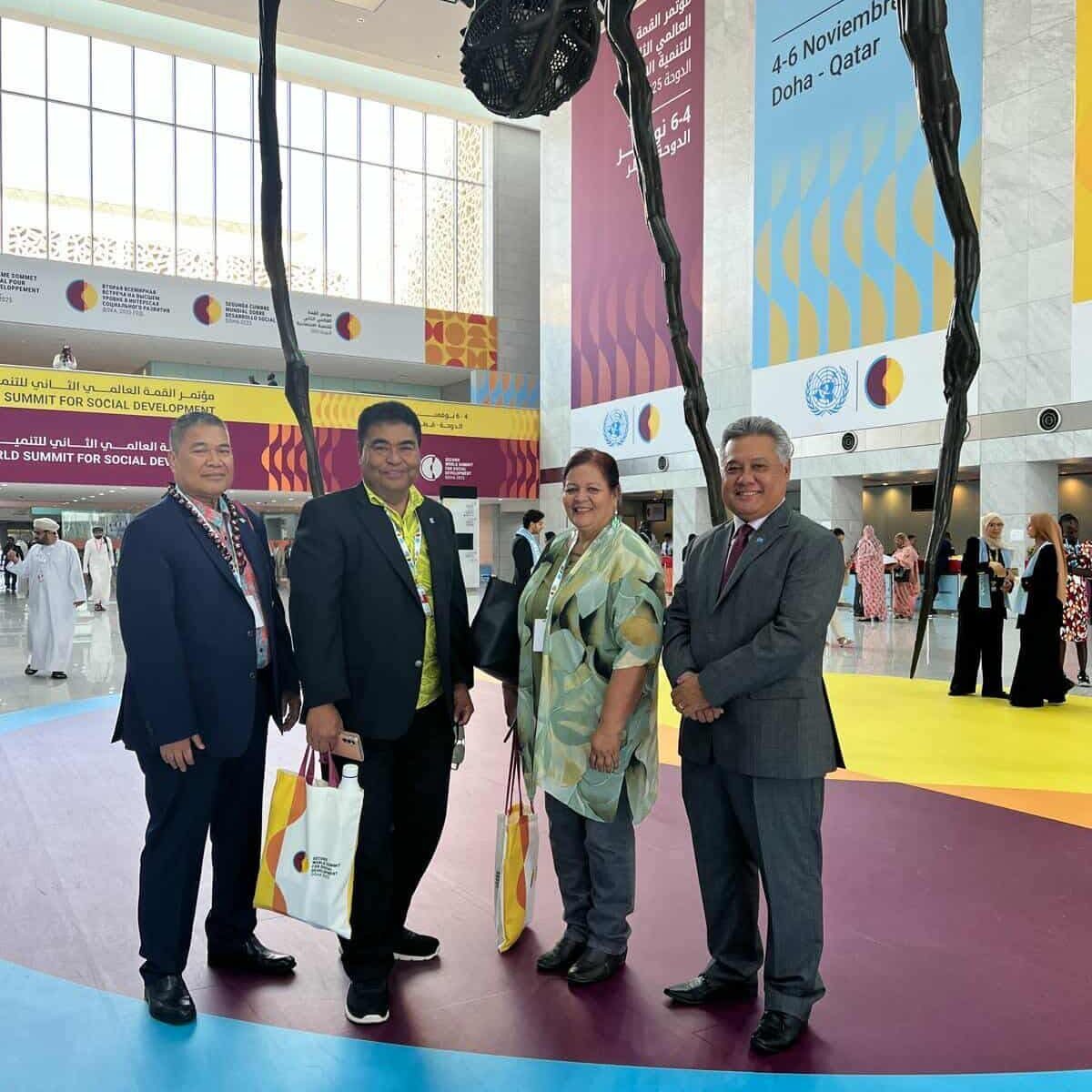
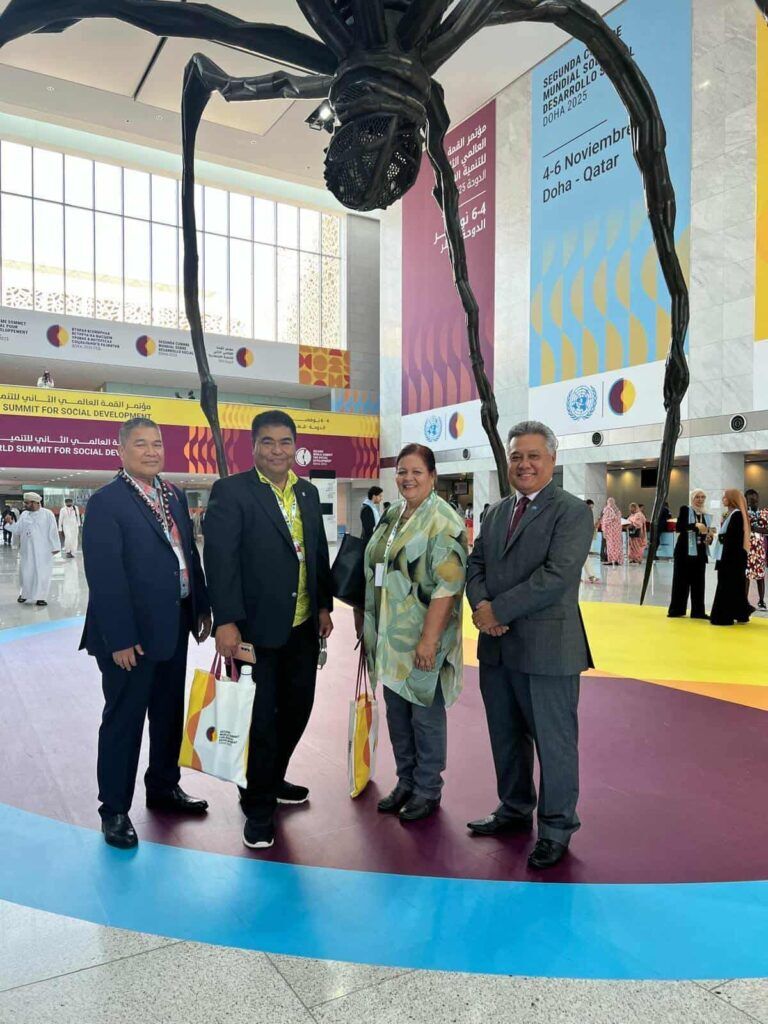
November 4-6, 2025 — At the Second World Summit for Social Development, the Federated States of Micronesia (FSM) called for intensified international cooperation and partnerships to address the multidimensional vulnerabilities faced by Small Island Developing States (SIDS). Secretary of Health and Social Affairs, the Honorable. Marcus Samo, who headed the FSM delegation, delivered a compelling statement, highlighting the unique development trajectory of Micronesia and the country’s ongoing commitment to inclusive and resilient development.

“As a geographically remote and climate-vulnerable Small Island Developing State, Micronesia’s development trajectory is uniquely challenging,” Secretary Samo stated. He emphasized that, despite extensive support from the Compact of Free Association with the United States, FSM’s annual economic growth has stagnated at under 0.3 percent over the past two decades, with more than 41 percent of the population living below the basic-needs poverty line. “ This reality is not merely statistical—it speaks to hardship and a compelling need for urgent action,” he said.

FSM continues to face vulnerabilities from external shocks, including instability in global and regional trade and supply chain markets, which disrupt daily life despite the persistence of a subsistence environment. Private sector activity is limited, comprising only one-fifth of GDP, and regional disparities in wages and access to essential services remain pronounced, particularly in rural communities.

Secretary Samo highlighted that poverty in Micronesia is multidimensional, encompassing limited access to education, healthcare, clean water, food security, and full social participation. The combined impacts of the COVID-19 pandemic, frequent natural disasters, and climate change have threatened to widen the development gap between FSM, other Pacific island states, and more developed countries.

Reaffirming Micronesia’s alignment with the 2030 Agenda and the Copenhagen Declaration, Secretary Samo outlined national priorities:

• Creating a regulatory and policy environment that supports private investment and economic diversification.

• Expanding renewable energy and climate-resilient infrastructure.

• Maximizing the value and stewardship of marine resources.

• Promoting food security and healthy living.

He described efforts to strengthen the social protection system, particularly for the informal sector and the most vulnerable. The recently endorsed Social Protection Strategic Plan addresses gender, disability, ageing, and child protection, and the country is intensifying its investments in data collection and cross-sector policy alignment to ensure measurable and accountable progress.

Secretary Samo noted continued challenges of outward migration and workforce diminution, partially mitigated by remittances, and affirmed ongoing gender equality advances through the National Gender Equality Policy.

Micronesia’s Permanent Representative to the United Nations Ambassador Jeem Lippwe, representing the Micronesian delegation in a parallel roundtable dialogue, echoed these priorities and stressed the need for enhanced partnerships and investment to bolster the country’s capacity. “As a small island nation, our capacity to address these challenges independently is limited. International cooperation remains essential,” Ambassador Lippwe stated. He further called on the private sector to foster sustainable growth and on civil society to maintain accountability and advocate for marginalized populations.

In closing, Secretary Samo reiterated that the commitments made in Copenhagen constitute a solemn promise to Micronesia’s people. “The Doha Political Declaration endorsed at this meeting is a reaffirmation. Micronesia stands ready to work with all partners to translate these aspirations into tangible outcomes, so no one is left behind,” he concluded.

FSM Health Representatives Participate in the 2nd FSM Cybersecurity Symposium in Chuuk

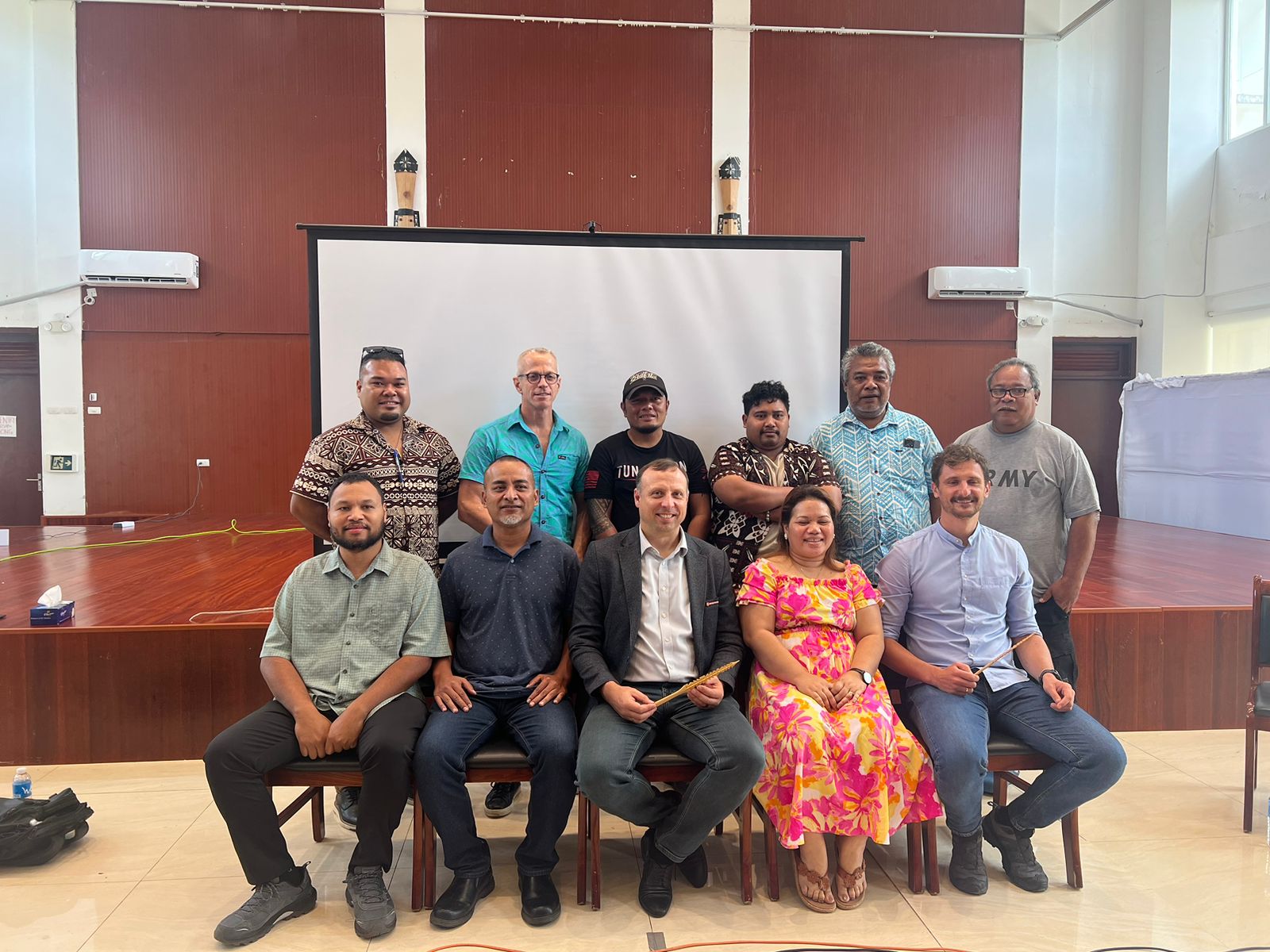
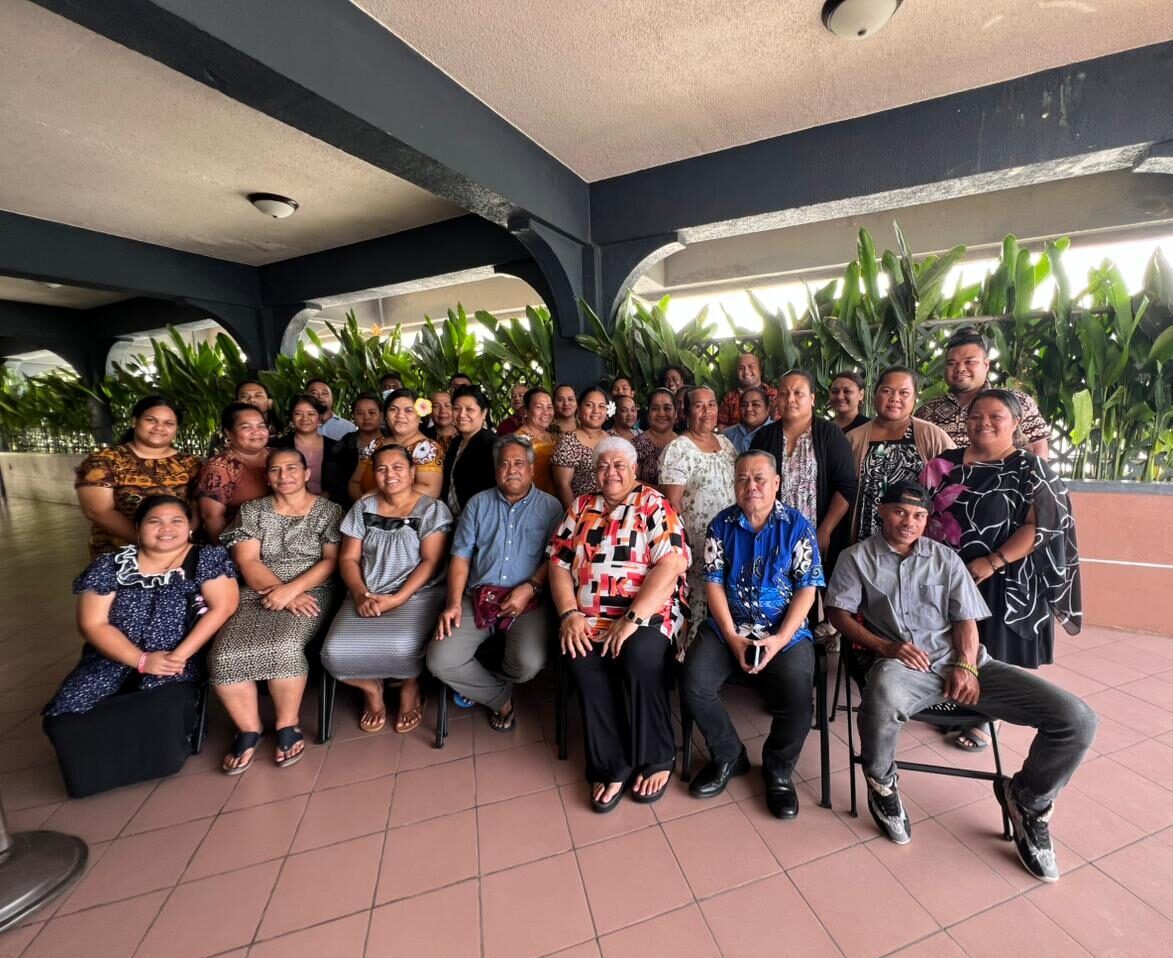
In Picture: Department of Health and Social Affairs participants in the Cybersecurity Symposium with the DOJ Cybersecurity division and NRD Cybersecurity.

Weno, Chuuk — October 31, 2025 — The Federated States of Micronesia (FSM) Department of Health and Social Affairs (DHSA) joined national and state representatives at the 2nd FSM Cybersecurity Symposium, held from October 27–31, 2025, at the Chuuk State Government Auditorium. The event was organized by the FSM Department of Justice (DOJ) through its Division of Cybersecurity, in collaboration with NRD Cybersecurity, a Lithuania-based firm specializing in cybersecurity solutions and consulting.

Representing the health sector, Mr. Joey Wichep, National Health Planner, and Mr. Kevin Tugruw, PHIG Evaluator from the FSM DHSA, participated in the weeklong symposium alongside IT staff from the Yap Department of Health and the Chuuk Department of Health. Their participation underscores the FSM health sector’s commitment to strengthening cybersecurity awareness and readiness—particularly as health information systems become increasingly digitized across the country.

The symposium aimed to align the implementation of the 2024 FSM National Cybersecurity Strategy with national and state priorities, enhance coordination across government agencies, and build capacity for critical infrastructure protection and incident response. It also sought to strengthen partnerships with regional and international stakeholders and develop actionable roadmaps for cybersecurity initiatives.

In his opening remarks, the Honorable Aren B. Palik, Vice President of the FSM, emphasized the importance of cybersecurity for national resilience and service continuity, citing recent cyber incidents in the health sector as examples of emerging risks. Other distinguished attendees included the Honorable Carl Apis, Secretary of the Department of Transportation, Communication, and Infrastructure (TC&I); the Honorable Tulensa Palik, Governor of Kosrae; Assistant Attorney General Josephine Joseph; and Assistant Secretary Minoru Stephen, among other national and state officials.

Throughout the week, participants engaged in technical sessions and group exercises facilitated by Dr. Vilius Benetis, CEO of NRD Cybersecurity, and Mr. Paulius Dauksas, Cybersecurity Consultant. Key topics included national cybersecurity governance, incident response, Computer Emergency Response Team (CERT) development, policy frameworks, and workforce development.

A special presentation by Mr. Hagai Mei Zahav from the World Bank highlighted the economic benefits of investing in cybersecurity, noting that stronger cyber resilience contributes to economic growth, improved public service delivery, and accelerated digital transformation.

In addition to the symposium, the DHSA team conducted side meetings with Director Bosco Buliche of the Chuuk Department of Health and CEO Inoufich Shomour of the Chuuk Community Health Center (CHC), to discuss ongoing digital health and operational challenges, including network connectivity issues and infrastructure limitations affecting service delivery.

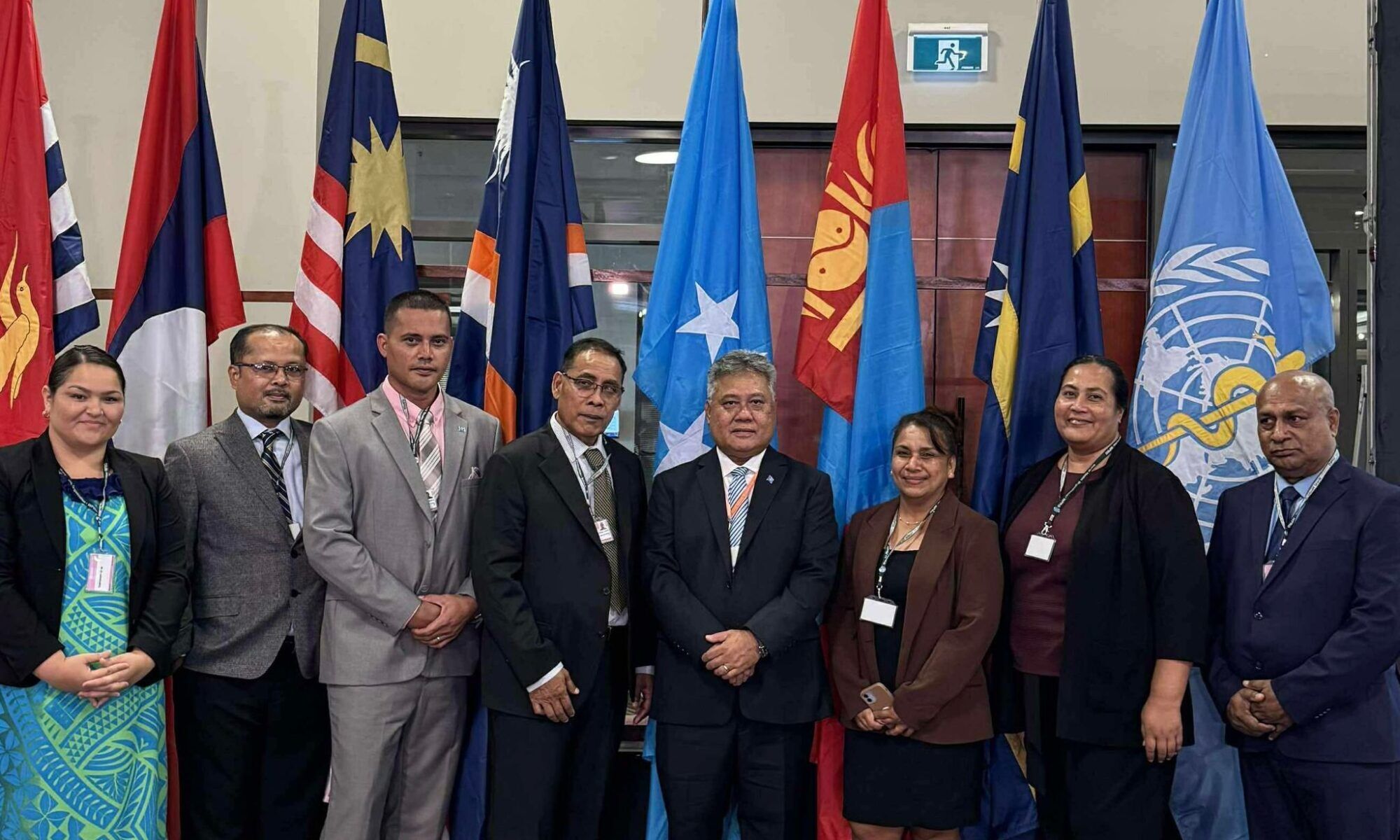
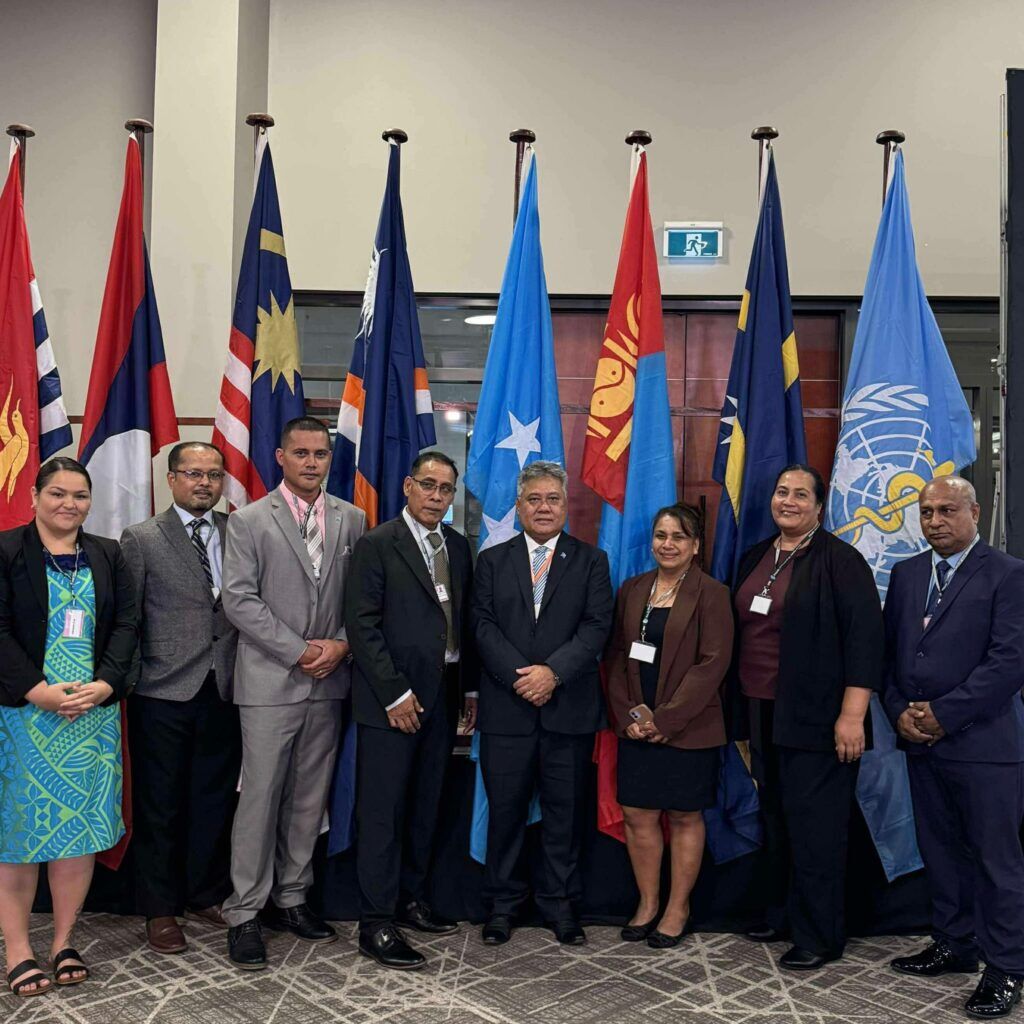
The FSM Delegation joins the 76th Session of the World Health Organization (WHO) Regional Committee for the Western Pacific (RCM76) in Nadi, Fiji

NADI, Fiji— On October 20-25, 2025, the Federated States of Micronesia participated in the 76th Session of the World Health Organization (WHO) Regional Committee Meeting (RCM76) held in Nadi, Fiji. Bringing delegations from across the Asia and Pacific region, this year’s session focused on the ways to foster resilient, equitable, and people-centered health systems that address key issues in our region, including the impacts of climate change, the rising rates of noncommunicable diseases (NCDs), and digital transformation in the Western Pacific Region.

FSM underscored the importance of strong regional partnerships to ensure that all Pacific communities, no matter how remote or small, have access to quality and sustainable health services. The delegation highlighted key national initiatives in areas such as telepathy, clean water initiatives, and early warning detection and warning systems for disease outbreaks, reaffirming FSM’s commitment to innovation and health equity.

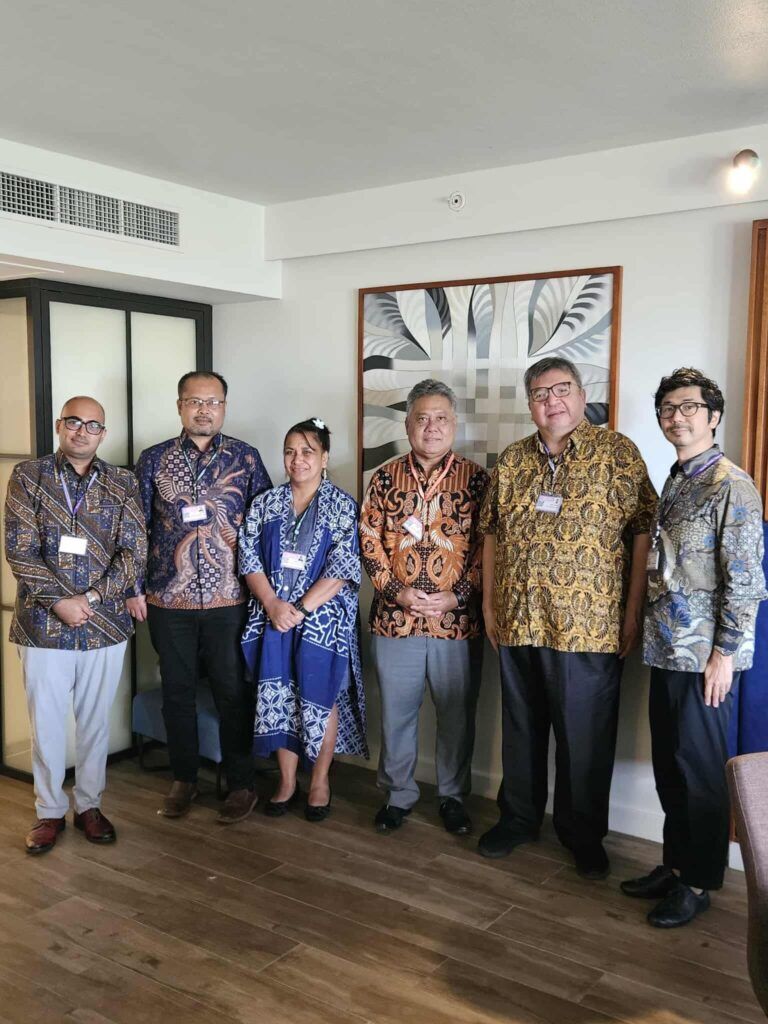
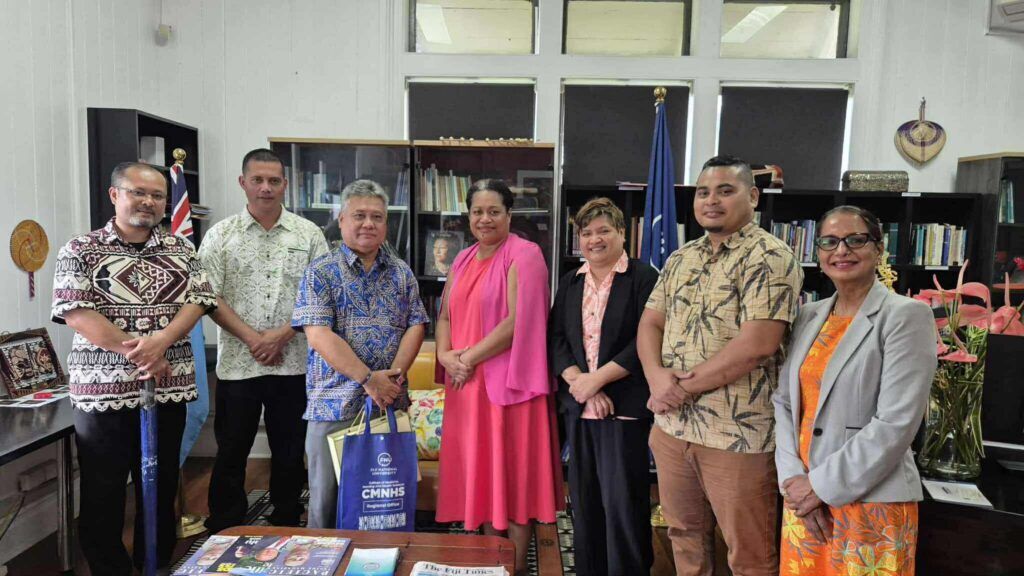
On the margins of RCM76, Secretary Marcus Samo, met with Fiji’s Minister for Health and Medical Services, Hon. Dr. Ratu Lalabalau, to seek support for FSM medical graduates to undertake medical internships in Fiji. Secretary Samo reaffirmed the value of continued collaboration with Fiji’s health sector in strengthening FSM’s health workforce and the two acknowledged the longstanding relationship between our nations. Both sides agreed to work together through a Memorandum of Understanding (MOU) to ensure FSM medical graduates are given opportunity in Fiji’s internship program.

The FSM delegation also paid a courtesy visit to the Fiji National University (FNU), meeting with Vice-Chancellor Professor Unaisi Nabobo-Baba, Dean Dr. Amelia Turagabeci, and Dr. Mai Perman, a FSM national on the faculty. Secretary Samo expressed appreciation for FNU’s continued support and reaffirmed FSM’s commitment to investing in its youth pursuing medical education in Fiji, recognizing them as the foundation of FSM’s future healthcare system and cornerstone of FSM’s national health resilience vision. Secretary Samo extended an invitation to FNU to support FSM in developing its internship program modeled after Fiji’s Internship Program.

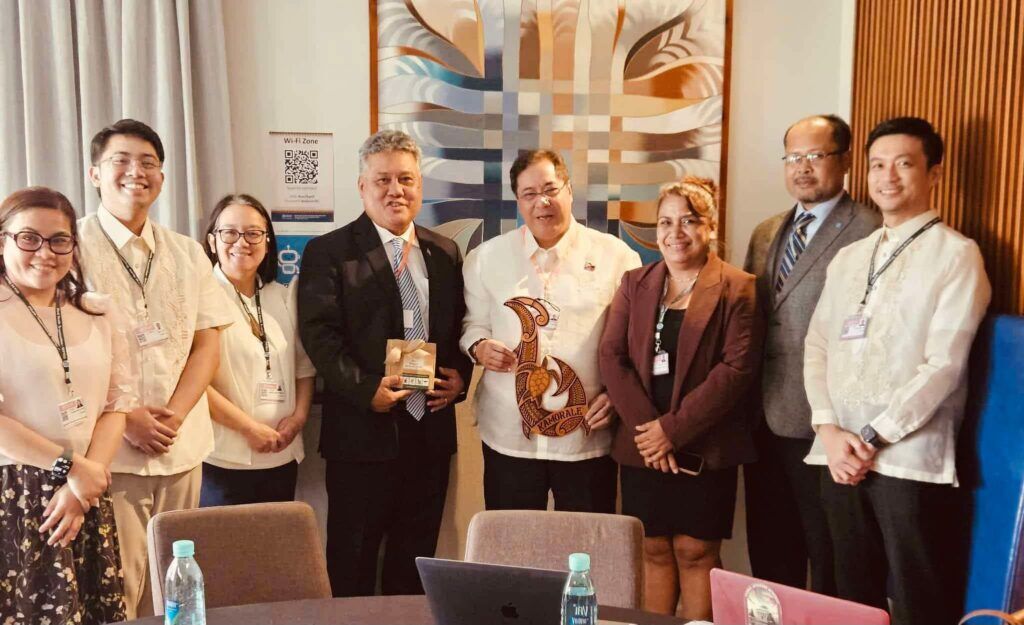
The FSM Delegation also met with the Secretary of Health from the Philippines, Dr. Teodoro Herbosa, and the Director of Health Sector of the Asian Development Bank, Dr. Eduardo Banzon. In the meeting with Secretary Herbosa, the two Secretaries affirmed their willingness to collaborate in the area of specialized medical care and health workforce development and specialized training. In the meeting with the ADB, the two health leaders discussed and agreed to explore technical cooperation in primary health care development and training of critical health workforce, with special focus on gender related needs and issues.

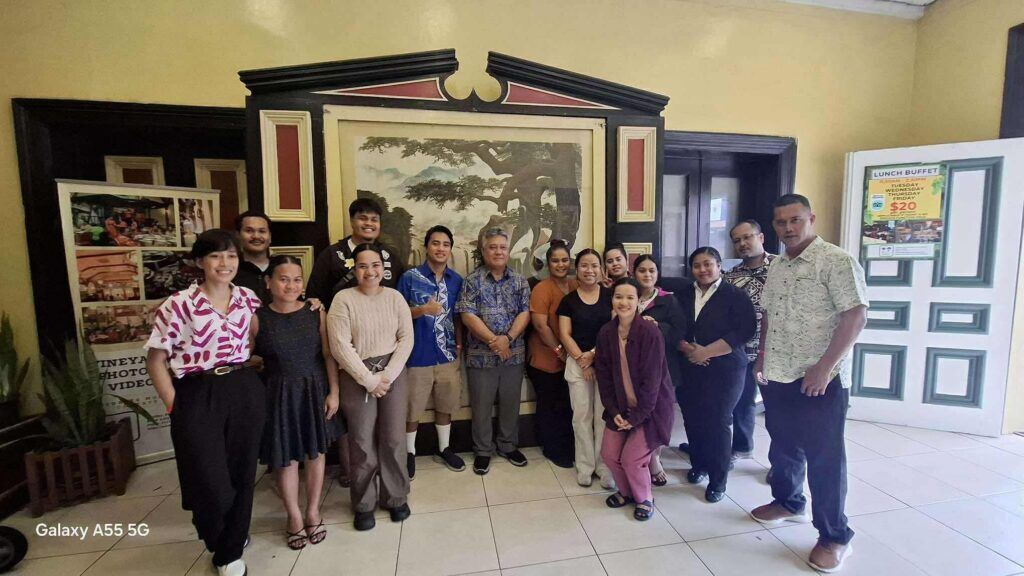
Secretary Samo met with FSM medical students to discuss the challenges they face while studying abroad, emphasizing the nation’s urgent need for doctors and health professionals. Students spoke candidly about academic difficulties and, in particular, their concern over receiving formal internship and medical rotations upon returning home to FSM. This concern highlighted the need for a formal medical internship program in the FSM. The FSM delegation reaffirmed its commitment to addressing this gap to ensure FSM’s returning graduates are fully equipped to take up the posts critically needed at home.

Guided by the vision of a healthy, resilient nation where every citizen has equitable access to quality healthcare, the FSM’s participation in this year’s RCM76 acknowledges that it is through strengthened partnerships, investment in youth, and enhanced innovation in health systems that we can achieve a healthier, prosperous future for the nation.

The FSM delegation was led by T.H. Marcus Samo, Secretary of the Department of Health and Social Affairs (DHHS); joined by Dr. Joanes Sarofalpiy, Director for Non-Communicable Disease; Ms. Resel Elias, Director for National Pharmaceuticals & Medical License; Mr. Scott Mori, Chief Operating Officer; Mr. Augustus Elias, System Network Manager, Ms. Fancelyn P. Solomon, Financial Specialist, Mr. Saimone Vameau, Histopathology technician; and Ms. Chandra Legdesog, Deputy Chief of Mission of the FSM Mission in Suva, as Alternate Head of Delegation.

WHO Provides Leprosy Medicines and Respiratory Virus Testing Supplies to Federated States of Micronesia as Part of Ongoing Public Health Support

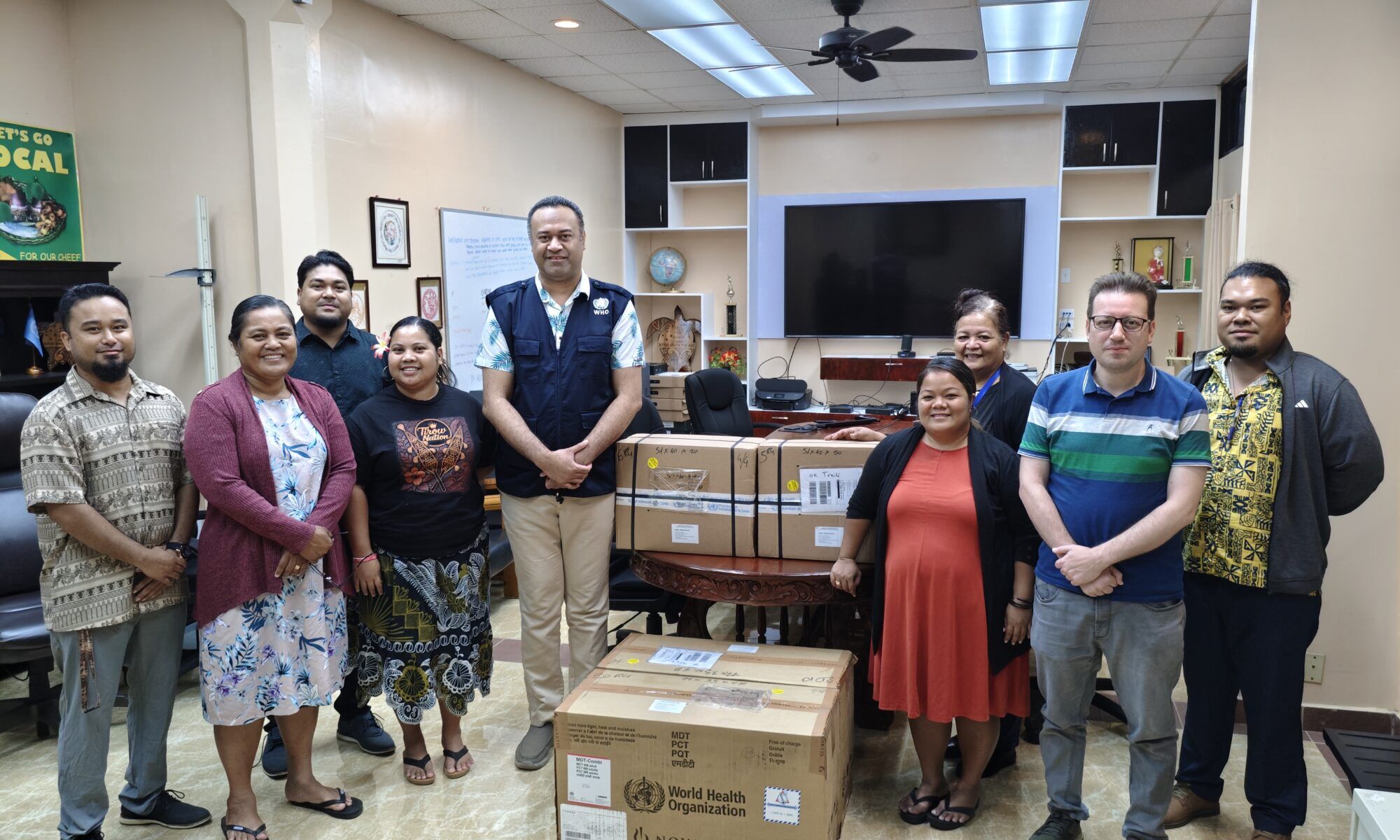
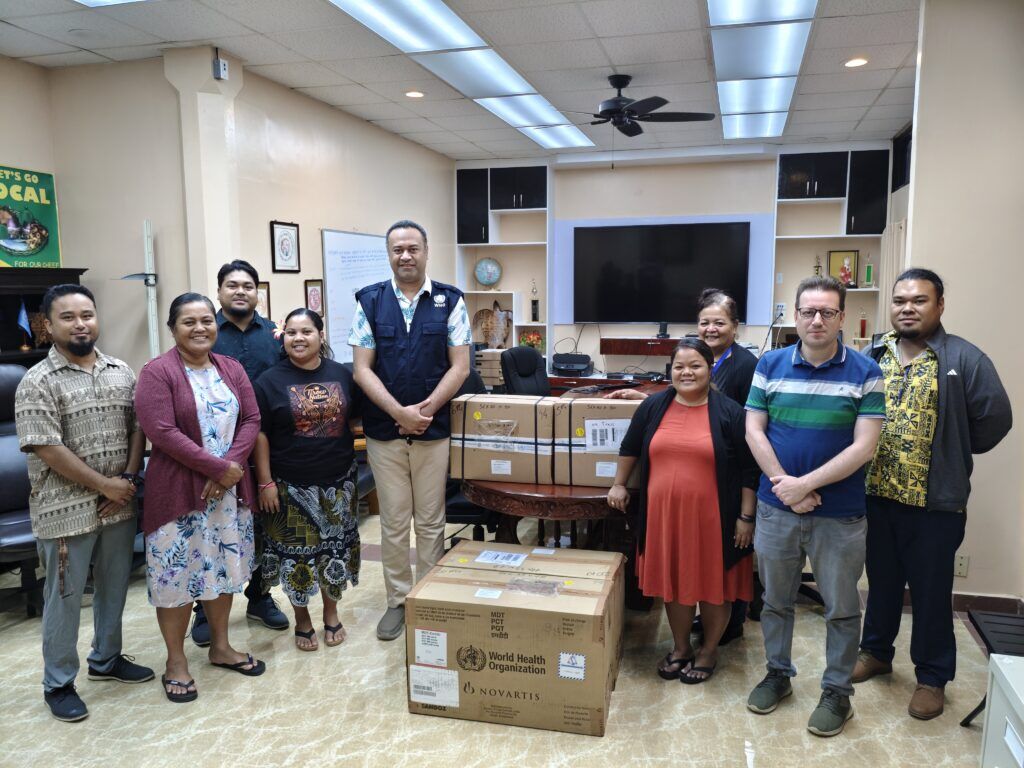
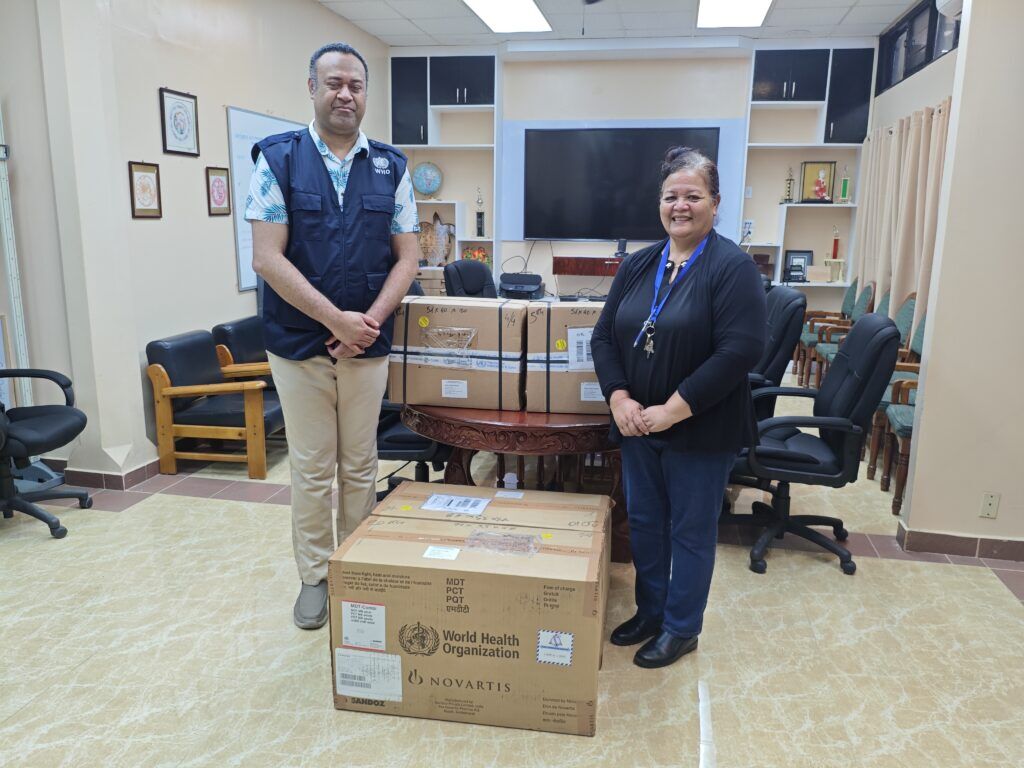
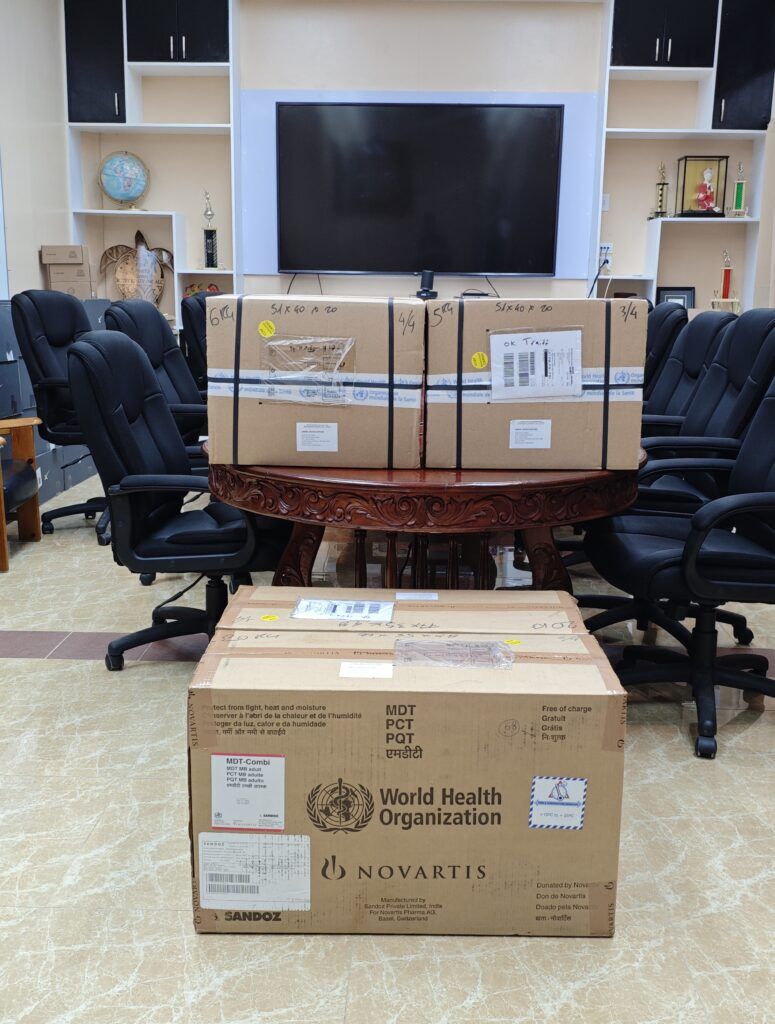
As part of its ongoing support to Member States, the World Health Organization (WHO) has provided the Federated States of Micronesia (FSM) Department of Health and Social Affairs (DHSA) with its annual supply of Multidrug Therapy (MDT) medicines for leprosy. In addition, WHO handed over GeneXpert Flu/SC2/RSV cartridges: advanced diagnostic tools that enable simultaneous testing for influenza, SARS-CoV-2, and respiratory syncytial virus (RSV). These life-saving medications will be distributed across FSM’s four states: Yap, Chuuk, Pohnpei, and Kosrae, to ensure timely treatment and support for individuals affected by leprosy.

The donation was officially received by the Acting Secretary on behalf of DHSA, during a brief handover ceremony held in Pohnpei. Representing WHO was Dr. Sam Fullman, who reaffirmed WHO’s commitment to supporting FSM’s efforts to eliminate neglected tropical diseases and strengthen disease surveillance and response capacity.

Leprosy, also known as Hansen’s disease, is a chronic infectious disease caused by Mycobacterium leprae. It primarily affects the skin, peripheral nerves, and eyes, and if left untreated, can lead to permanent disabilities. However, leprosy is curable, and early treatment with MDT can prevent disability and halt transmission.

FSM has made commendable progress in reducing the burden of leprosy, but continued vigilance is essential. The donated medicines will strengthen the country’s capacity to detect and treat cases early, especially in remote communities where access to healthcare can be limited. The Mpox cartridges will further enhance FSM’s ability to respond to emerging health threats through rapid and accurate testing.

“This donation from WHO is more than just medicine and laboratory supplies; it’s a symbol of solidarity and shared commitment to health equity,” said T.H. Kasinda Ludwig, Acting Secretary, Department of Health and Social Affairs, FSM. “With these new treatments and testing supplies, we are better equipped to serve our communities in Yap, Chuuk, Pohnpei, and Kosrae. It means we can ensure diseases like leprosy aren’t just managed but are on the path to being eliminated from our islands. Our new multiplex PCR capabilities, like the GeneXpert for Flu, COVID-19, and RSV, allow for rapid, accurate diagnosis. This is critical for early outbreak containment, helping to reduce the rate of severe clinical presentations and the overall strain on our healthcare system.”

“Leprosy is curable, and no one should suffer its consequences in silence,” said Dr. Roderico Ofrin, WHO Representative. “By supporting FSM with these essential medicines and diagnostic tools, we are reinforcing our partnership and helping ensure that even the most remote communities have access to timely and effective care.”

This donation reflects the strong collaboration between the FSM Department of Health and Social Affairs and the World Health Organization. It supports FSM’s efforts to eliminate leprosy and strengthen disease surveillance, while aligning with WHO’s Global Leprosy Strategy 2021–2030, which envisions zero disease, zero disability, and zero discrimination. Together, FSM and WHO are working toward a healthier future for all communities across the Pacific.

FSM 10th Women’s Conference highlights gender as national priority for FSM

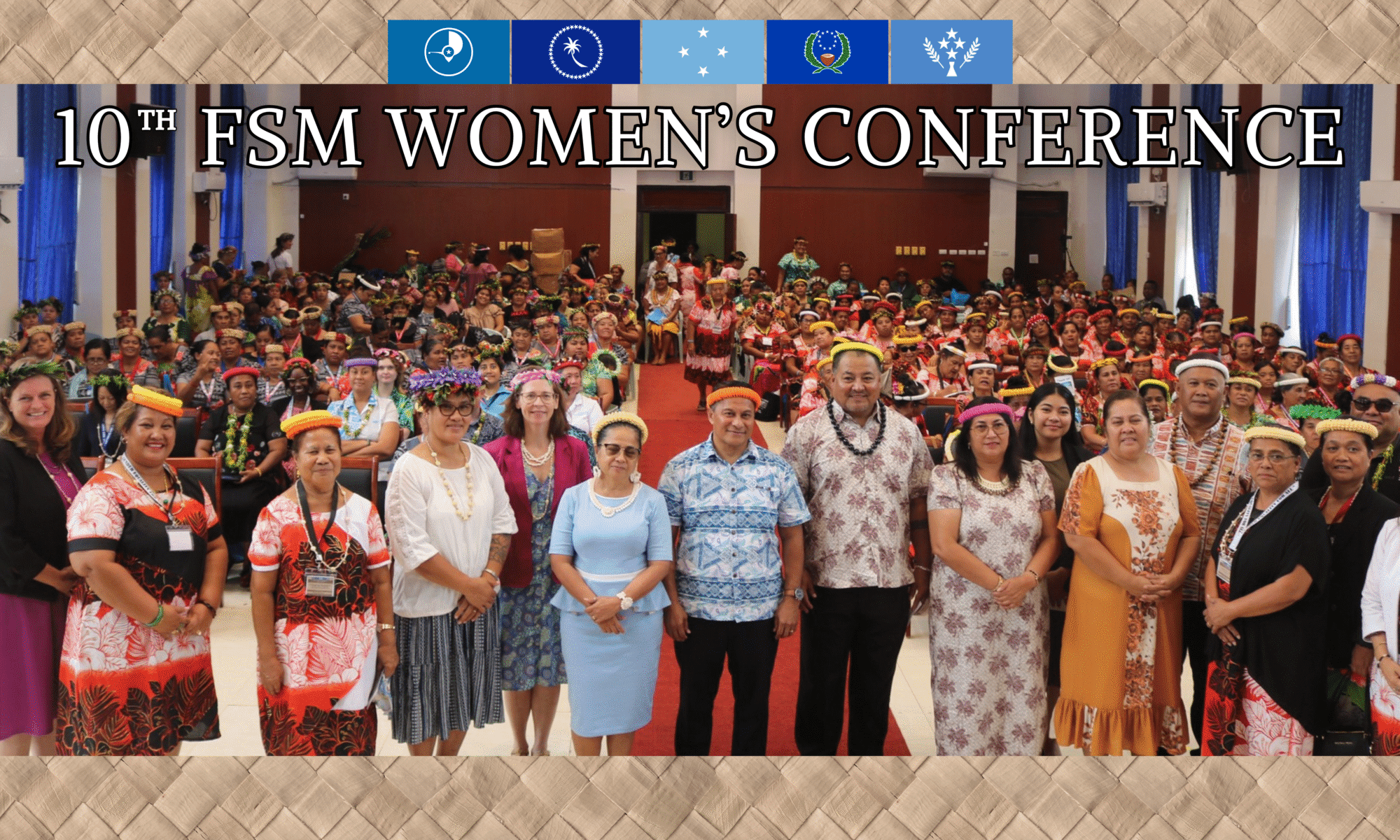
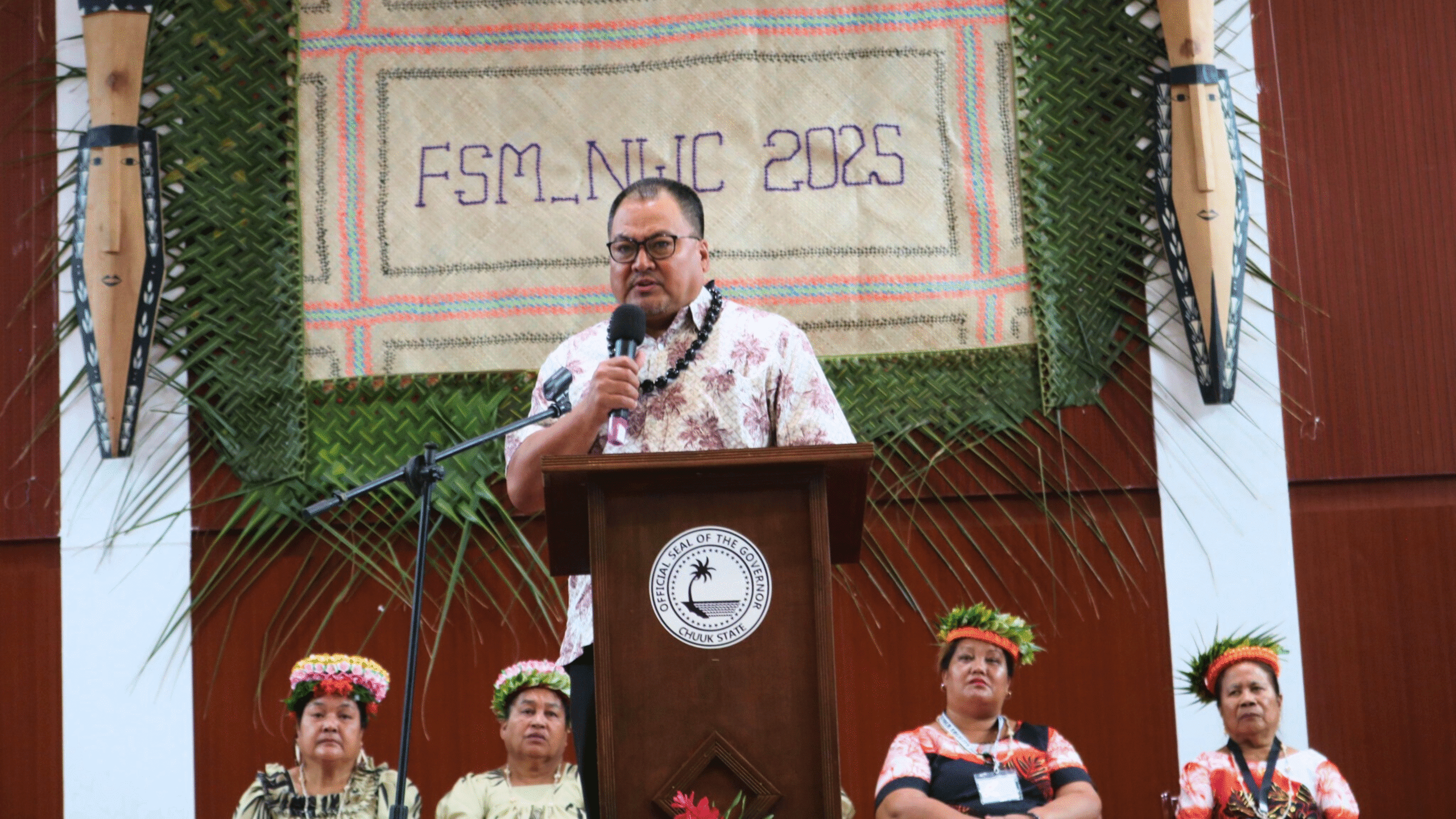
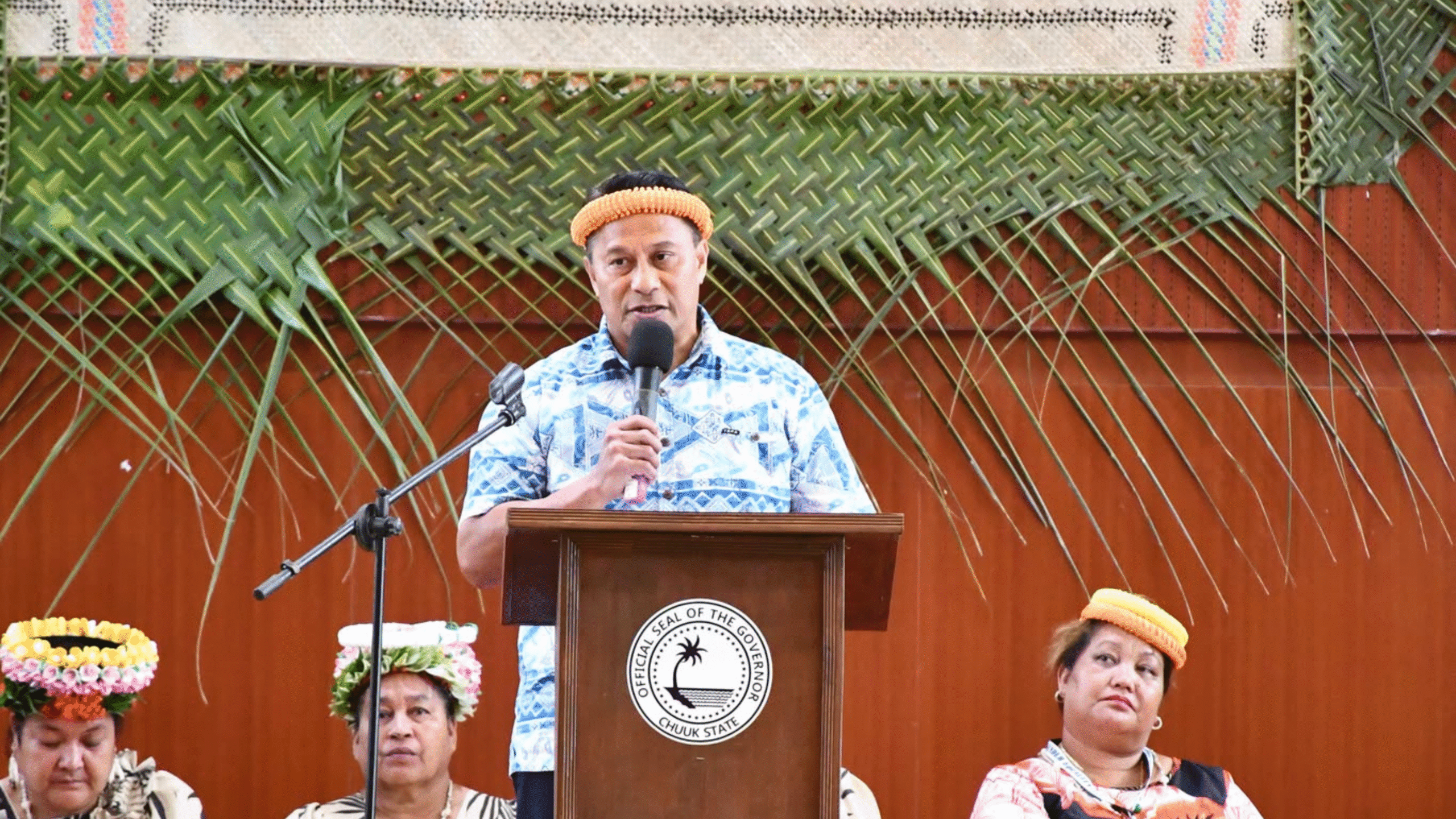
Weno, Chuuk FSM — September 29 to October 3, 2025 — The Vice President of FSM, The Honorable Aren B. Palik recognized women’s resilience and essential role in shaping the nation’s progress. ‘FSM is ongoing committed to advancing gender equality,’ he stated in his keynote address. He also highlighted the need to dismantle systemic barriers, challenge social norms, and create opportunities for women and girls.

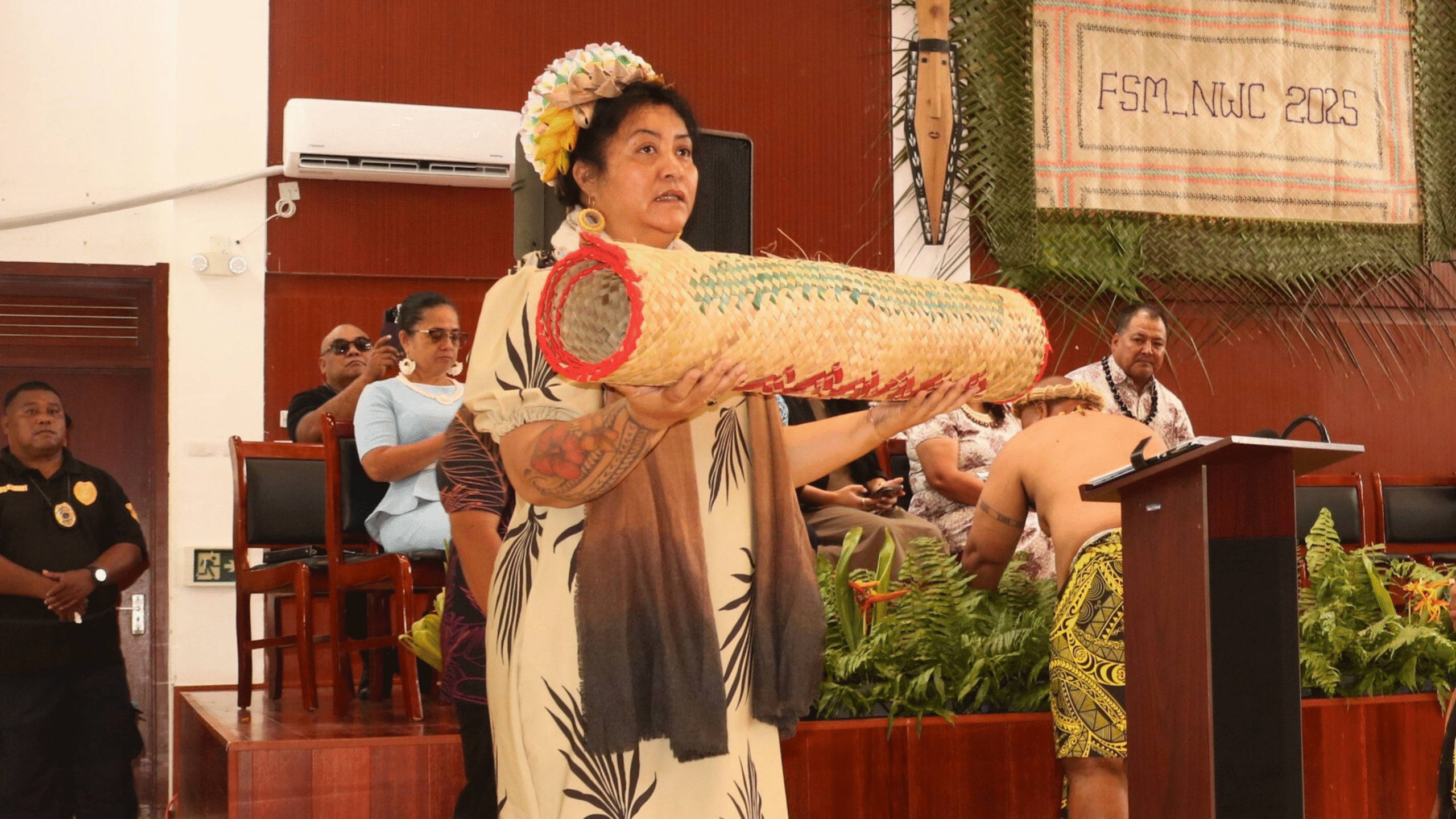
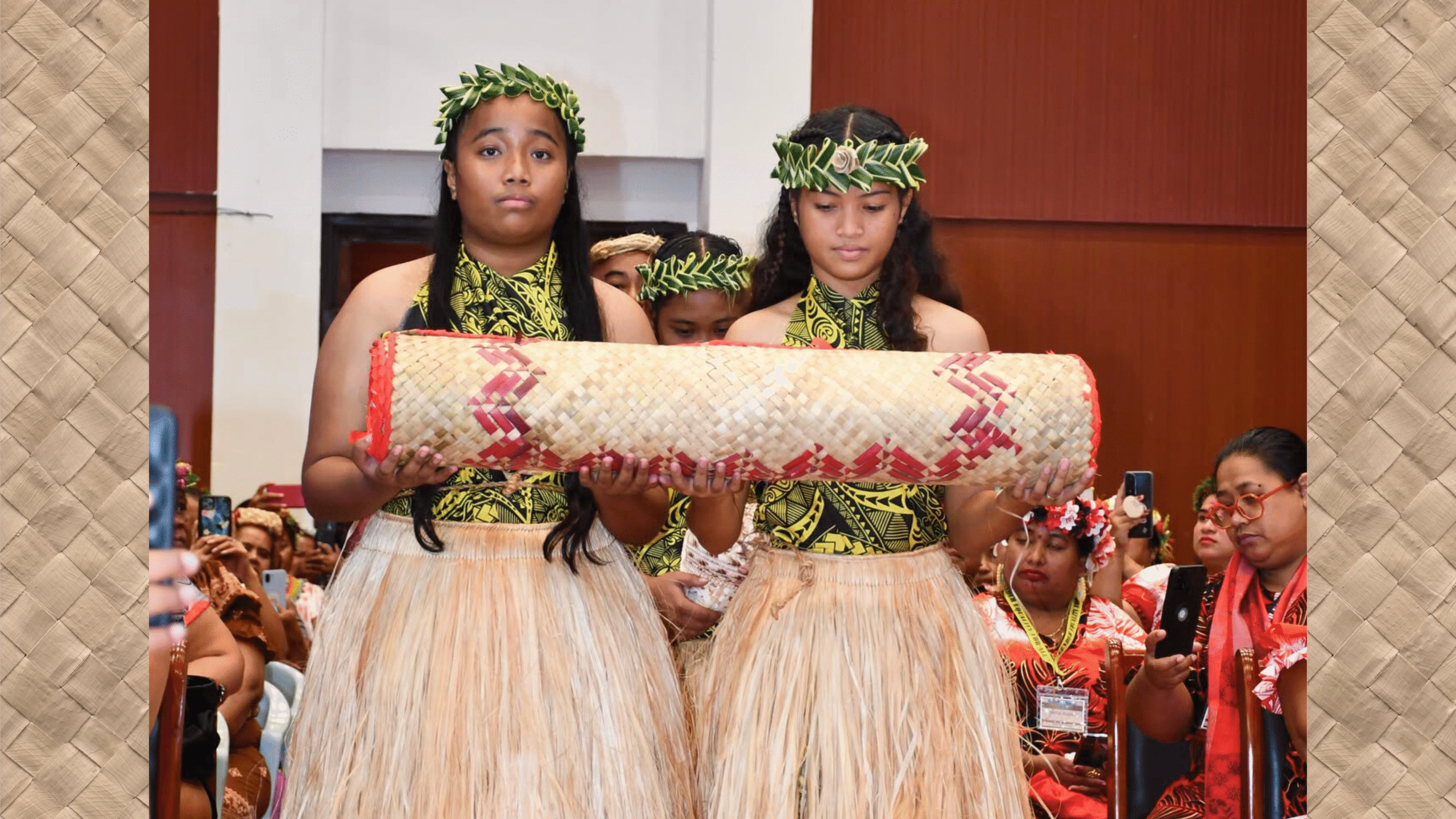
The Federated States of Micronesia successfully convened its 10th National Women’s Conference from September 29 – October 3. The Conference theme is ‘Kieki,’ a Chuukese word meaning “woven mat,” symbolizing the strength, unity, and interconnected efforts of women across FSM and beyond. The Conference is held every two years and is a platform for dialogue between women, civil society organizations, and national and state governments.

About 500 mostly women and men from all four states gathered to celebrate achievements, exchange ideas, and chart a path toward gender equality and community resilience to improve the lives and wellbeing of families and communities in FSM. Development partners and diplomatic representatives were also at the event.

In his opening remarks, Chuuk Governor Honorable Alexander Narruhn praised Chuuk’s contributions to gender equality and socio-economic development, and thanked the FSM Women’s Council, delegates, and government for selecting Chuuk as the host, highlighting its rich culture and hospitality. He also called for support regarding the oil spill from WWII wrecks, which has led to a declared State of Emergency.

Senator Dr. Perpetua Sappa Konman, Chair of the FSM Congress Committee on Health and Social Affairs, emphasized the cultural importance of “Kieki” as a call for unity, love, and respect. She paid tribute to pioneering women leaders, including the late Kiki Bill Stinnet and Shinobu Mailo Paul.

On the sides of the Conference, the Vice President Palik, the Second Lady, Congresswoman Dr. Abello Alfonso and conference participants visited Xavier High School students. The Vice President encouraged the students to take their education seriously as a foundation for their future, and the Congresswoman shared her inspiring journey from Xavier High School to her career as a physician and politician, motivating students to pursue their ambitions.

The Conference ended on a high with Heads of State Delegations signing an Outcomes Document with recommendations on empowering women through culture, women’s economic empowerment, education, and leadership, women’s health and gender-based violence (GBV), and women and climate change. A resolution of appreciation was also signed.

The FSM Department of Health and Social Affairs will serve as the conference secretariat, supporting the implementation of these commitments and preparations for the next national women’s conference scheduled in 2027. Pohnpei State will host the next Conference in 2027.

FSM National Communicable Diseases Unit Convenes 6th Program Collaboration and Service Integration (PCSI) Meeting in Chuuk

Weno, Chuuk — Immediately following the successful conclusion of the 10th FSM Women’s Conference, the FSM National Communicable Diseases (CD) Unit convened its 6th Program Collaboration and Service Integration (PCSI) Meeting October 6-10, 2025 at the L5 Conference Room in Chuuk.

The week-long meeting brought together National and State-level staff from the Tuberculosis (TB), and Human Immunodeficiency Virus/Sexually Transmitted Infection (HIV/STI) Programs, and Viral Hepatitis, including program coordinators, laboratory managers, data clerks, and nurses from all four FSM states. Representatives from the Pacific Islands Health Officers Association (PIHOA) and fellows of the Pacific Public Health Fellowship Program (PPHFP) were also in attendance—underscoring the importance of partnership, mentorship, and capacity-building for FSM’s next generation of public health professionals.

Since the first PCSI meeting, FSM’s CD programs have achieved significant progress in improving data collection and reporting. Although Standard Operating Procedures (SOPs) are yet to be fully developed or updated, the programs have made notable strides toward digital transformation, standardizing reporting templates, improving data accuracy, and strengthening inter-program collaboration.

Throughout the week, both National and State programs presented updates highlighting key accomplishments, challenges, and action steps. Accomplishments included the completion of refresher trainings, expansion of public awareness activities, increased screening and treatment coverage, and stronger cross-program collaboration. However, persistent challenges remain—among them, shortages of program-dedicated physicians, confidentiality issues in managing TB/HIV/STI clients, weak contact tracing, and inaccurate inventory reporting. Moving forward, participants agreed on the need to develop unified SOPs and data systems between National and State levels, and to initiate regular capacity-building webinars to sustain staff development and program quality.

A major highlight of this year’s PCSI meeting was the active participation of laboratory personnel, including managers and technicians, who presented outcomes from their breakout sessions. Their inclusion—a first in PCSI history—marked a milestone in bridging long-standing data gaps between laboratory and program teams, reinforcing the “service integration” spirit of the meeting.

Another first for this year’s PCSI was the awarding of Participation and Completion Certificates to all attendees, recognizing their active involvement, dedication, and contribution to FSM’s

ongoing efforts to strengthen communicable disease programs nationwide. This new initiative not only celebrates individual achievement but also encourages continued engagement and excellence across all levels of public health service delivery.

Representatives from PIHOA and PPHFP also presented ongoing collaborative projects being implemented by fellows across the FSM, ranging from laboratory strengthening to disease surveillance and program support. PIHOA encouraged the health sector to consider hiring fellows upon completion of their fellowship, noting that they will be well-trained and ready to serve. National and State program teams commended the fellows for their commitment to advancing healthcare in their respective states.

To address delays in report submissions, a full session was dedicated to reviewing and clarifying program indicators and reporting definitions. National CD representatives presented the national indicators and standardized reporting templates used for departmental submissions, helping State program staff better understand reporting timelines, expectations, and the connection between their reports and national-level data.

The meeting concluded with a reception at Rachel’s Beach, celebrating the programs’ collective achievements and continued collaboration, followed by a team-building retreat at Pisiwi Island, which further strengthened inter-program relationships and morale.

The National Communicable Diseases Unit extends its sincere appreciation to the Chuuk Department of Health Services for their warm hospitality and logistical support. Participants closed the week with renewed commitment to applying lessons learned, strengthening systems, and continuing the shared mission of delivering quality health services for all the people of the FSM.

More Medical Teams from the Philippines to Provide Health Care in the FSM

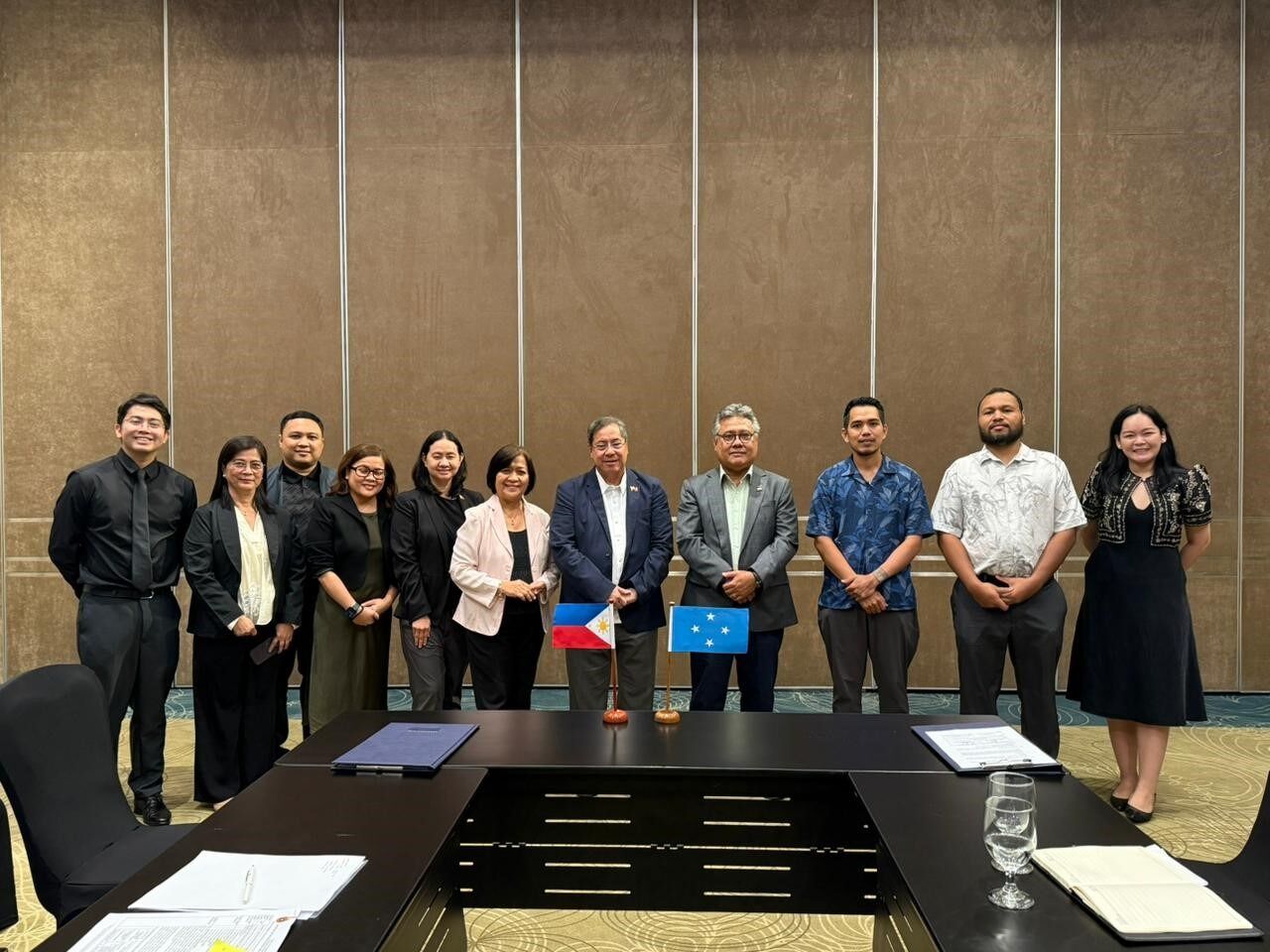
In picture: Secretary Marcus Samo from the FSM and Secretary Teodoro J. Herbosa from the Philippines with their staff

MANILA, Philippines – October 10, 2025 – Further to the Memorandum of Understanding (MOU) between the Federated States of Micronesia (FSM) Department of Health and Social Affairs and the Republic of the Philippines Department of Health signed in November 2024 by their respective Secretaries, another commitment has been formalized that will deploy a Philippine medical team to Pohnpei State Hospital and expand cooperation across the FSM’s four states.

The Philippine medical team from Quirino Memorial Medical Center (QMMC) will deploy to Pohnpei State Hospital in November, following the successful two-week OB-GYN mission to Chuuk State in 2024. The Pohnpei deployment will include ENT specialists, internal medicine doctors, and specialized nursing staff to enhance medical services at the facility.

Dr. Jose Fabella Memorial Medical Center that sent a team last year will also return to Chuuk this year. “Our previous collaboration with the Philippine OB-GYN team in Chuuk State was so successful that we are expanding this model to serve more of our communities across the FSM. This partnership represents a new chapter in FSM healthcare cooperation,” said FSM Secretary Marcus Samo

The cooperation reflects the Philippines’ growing commitment to international medical diplomacy and regional healthcare leadership. The formalized partnership creates sustainable pathways for ongoing medical support and professional development between the two nations. Philippine Health Secretary Teodoro Herbosa emphasized the strategic importance of the partnership: “The Philippine healthcare professionals have always been at the forefront of international medical cooperation. This formalized partnership with FSM creates a sustainable model that strengthens healthcare delivery across Micronesian communities and demonstrates our commitment to our Pacific neighbors.”

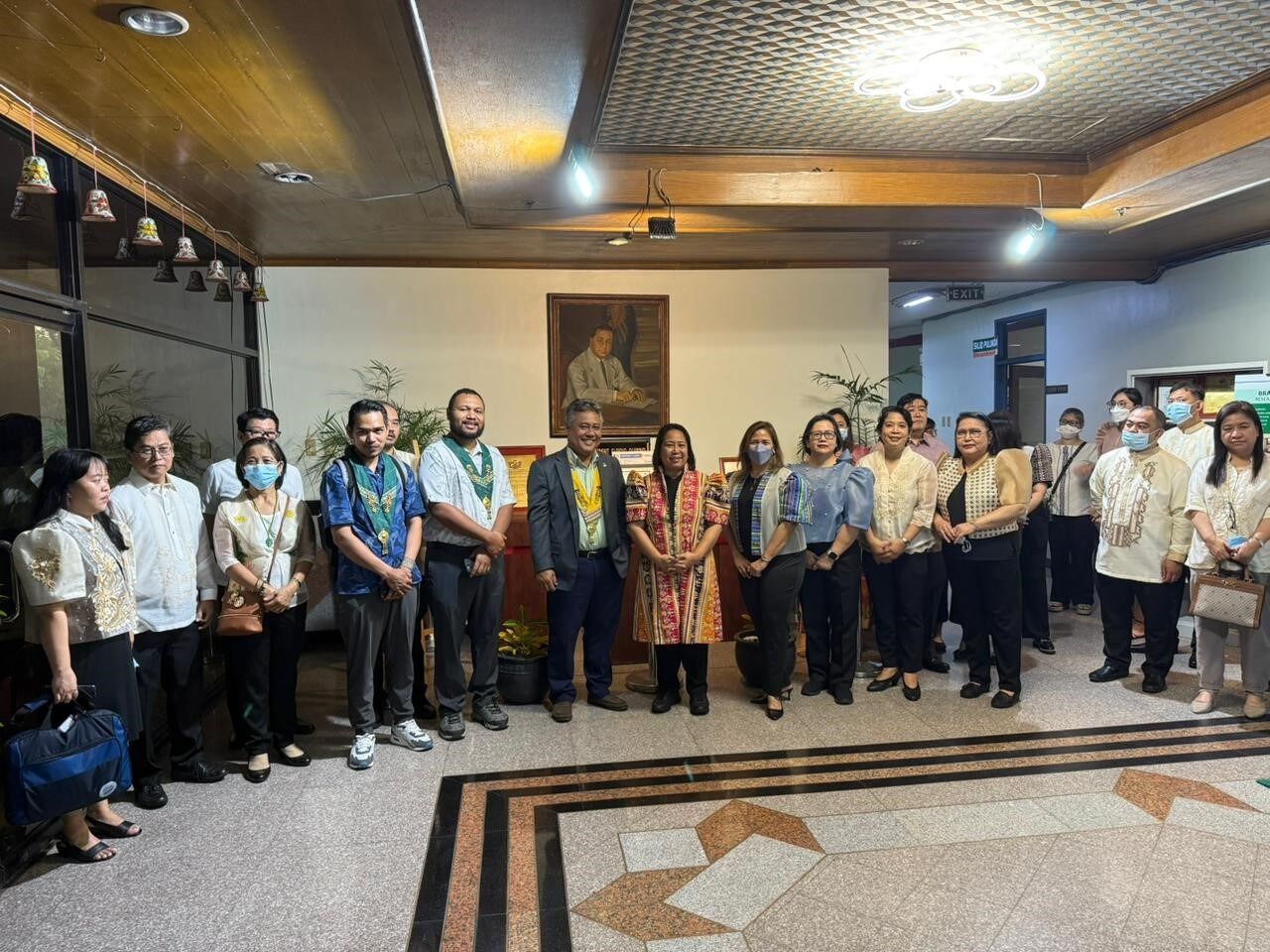
In picture: Secretary Marcus Samo, Dr. Nick Santiago, and Mr. Kevin Tugruwfaimaw and management staff and team from Quirion Memorial Medical Center that will be deployed to Pohnpei State Hospital

Dr. Evelyn Victoria E. Reside, QMMC Medical Center Chief, noted: “We’re not just providing specialize medical services – we’re building lasting relationships and transferring knowledge that will strengthen healthcare systems across the FSM for years to come.”

The partnership includes plans for additional missions to Kosrae and Yap states to address the specific healthcare needs of each state hospital. The November deployments mark the beginning of what officials describe as a transformative approach to FSM healthcare cooperation, combining immediate medical intervention with sustainable capacity building.

Joining Secretary Samo on the trip were Dr. Nick Santiago, staff physician from Pohnpei State Hospital, and Mr. Kevin Tugruwfaimaw, Public Health Improvement Grant Evaluator.

WHO Representative Dr. Roderico Ofrin Pays Courtesy Call on Secretary Samo

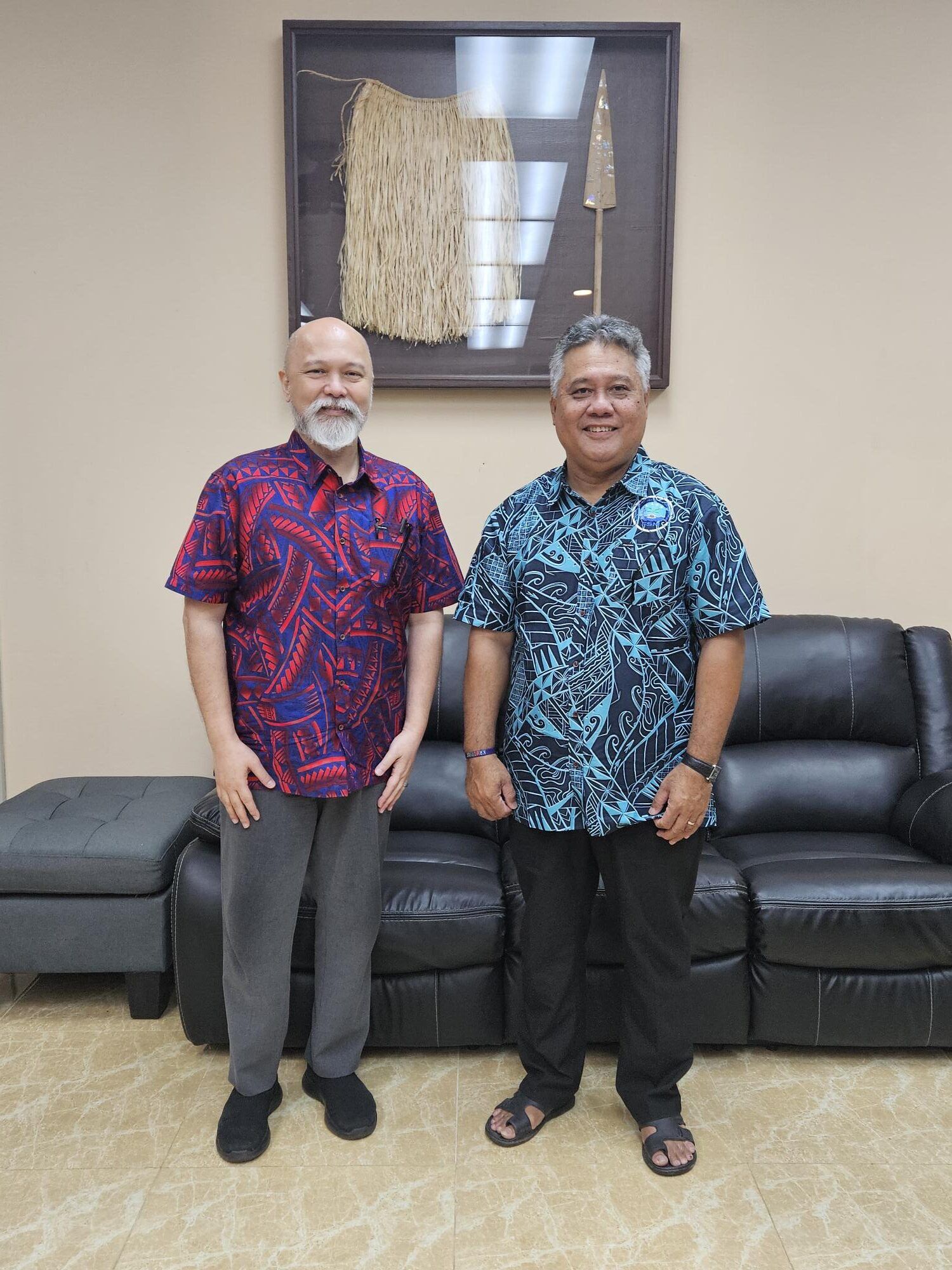
On September 24, 2025, WHO Representative (WR) Dr. Roderico Ofrin paid a courtesy call on the Honorable Secretary Marcus Samo. The WR was accompanied by Mr. Wajid Shahid, WHO Partnerships & External Relations Support Officer. As his first official visit, Dr. Ofrin discussed ongoing collaborations and the continuing support provided by WHO to the FSM. Dr. Ofrin shared that he was very pleased with the timing of his arrival in the FSM, as it allowed him to participate in the 1st Pohnpei Health Symposium. He noted that the event gave him valuable insights into the health issues and priorities of Pohnpei State and the way forward in addressing them.

In their discussion on future collaboration in technical health matters, Secretary Samo shared with the WHO Representative the oil spill issue in Chuuk and its potential impact on health and requested WHO for technical guidance and information. In addition to his prior experience with WHO management, Dr. Ofrin is also an Emergency Room Physician and expressed his readiness to support the FSM by providing training opportunities for EMTs and other frontline health workers. Dr. Ofrin is serving as the WHO Representative for the Federated States of Micronesia, Palau, and the Republic of the Marshall Islands based in Pohnpei, FSM.

The FSM Department of Health and Social Affairs extends a warm welcome to Dr. Roderico Ofrin in his new post and looks forward to continued collaboration with WHO in advancing the nation’s health priorities.

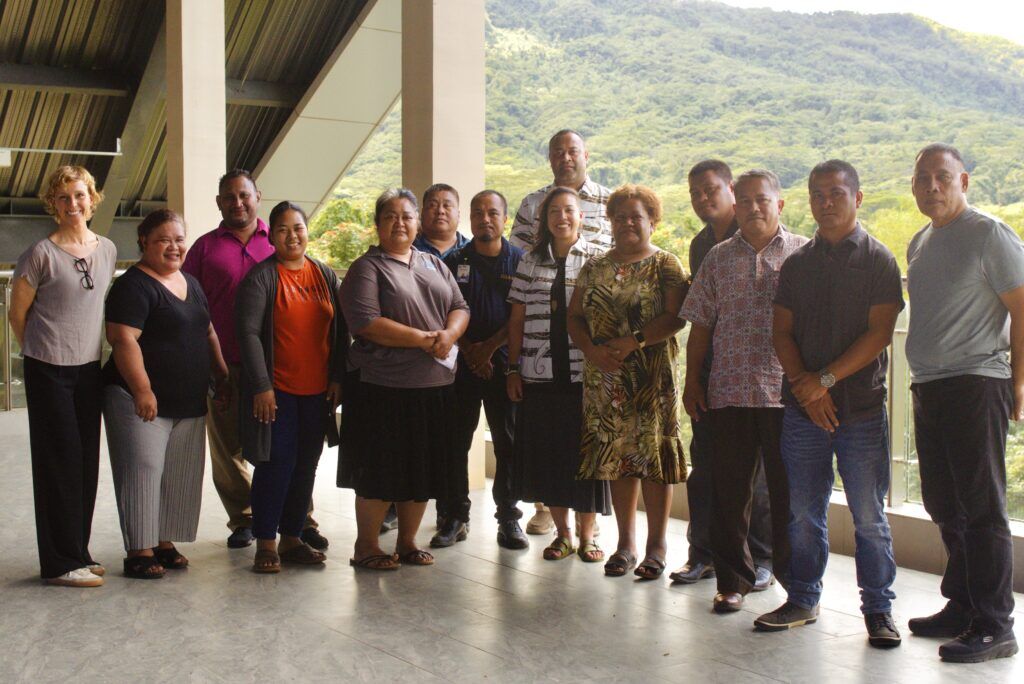
The Federated States of Micronesia (FSM) stands better prepared to face future emergencies after WHO-led risk profiling and emergency surge workforce exercise

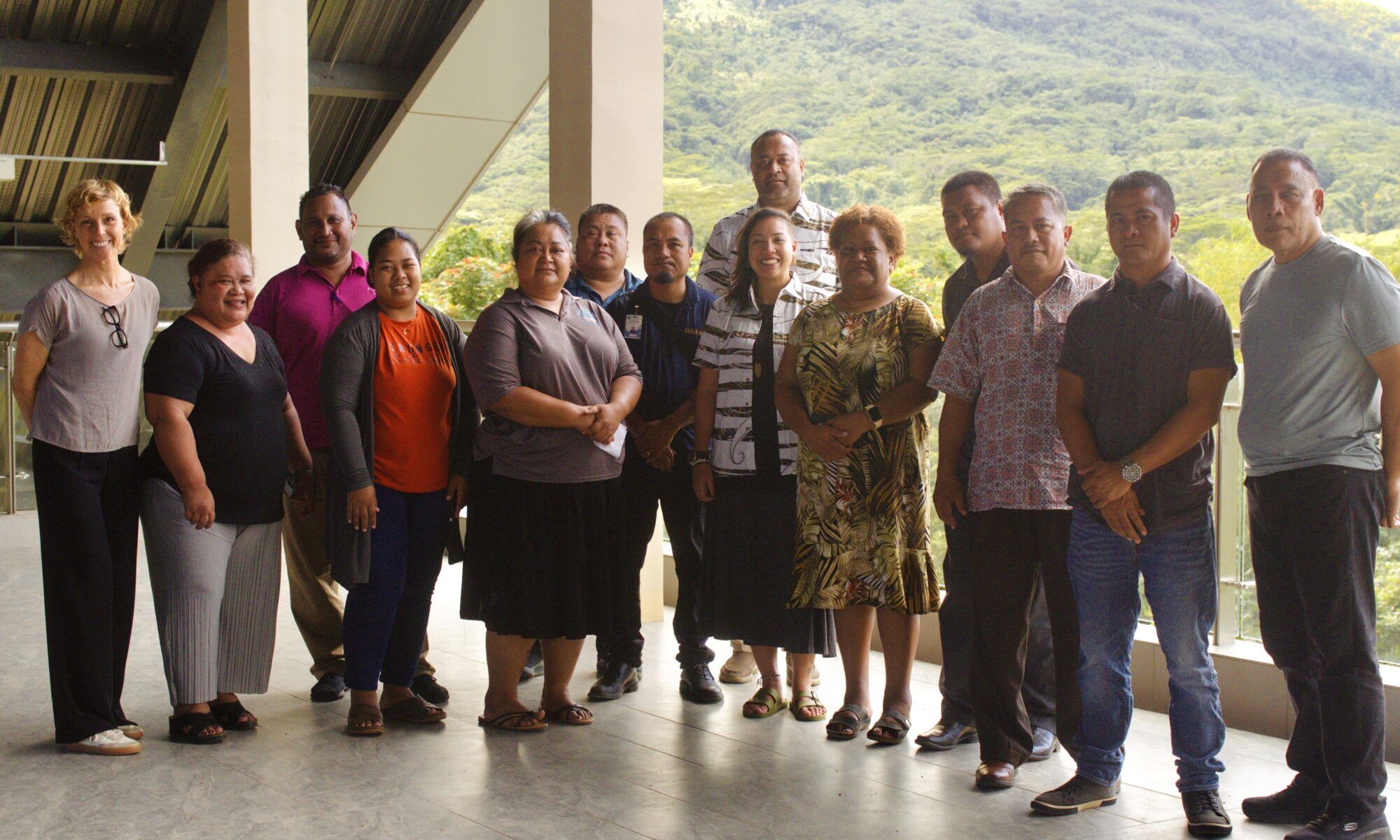
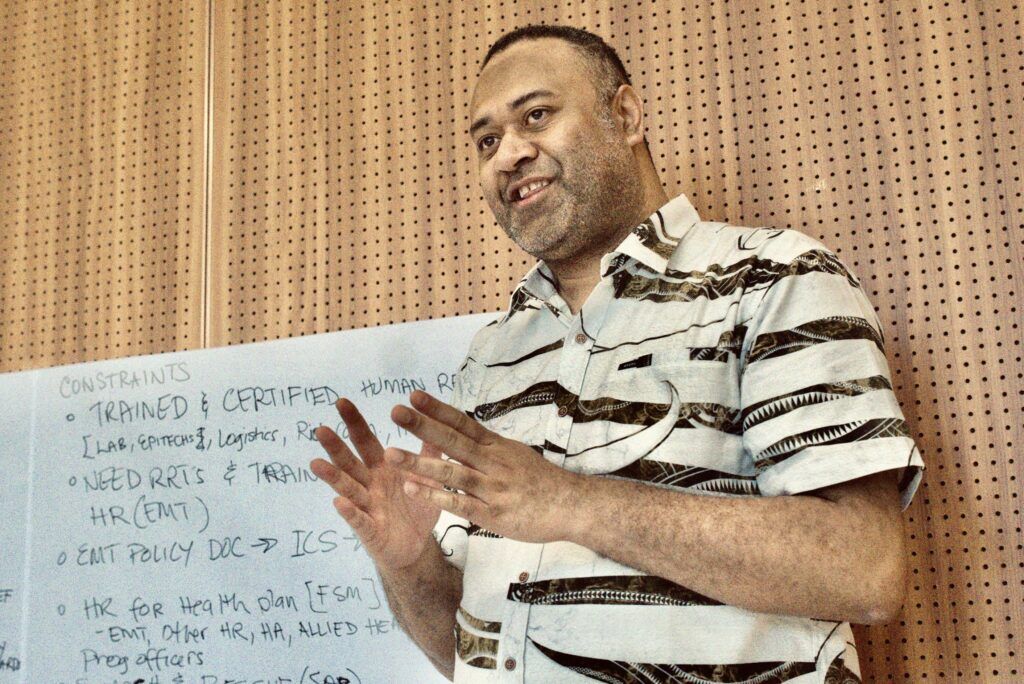
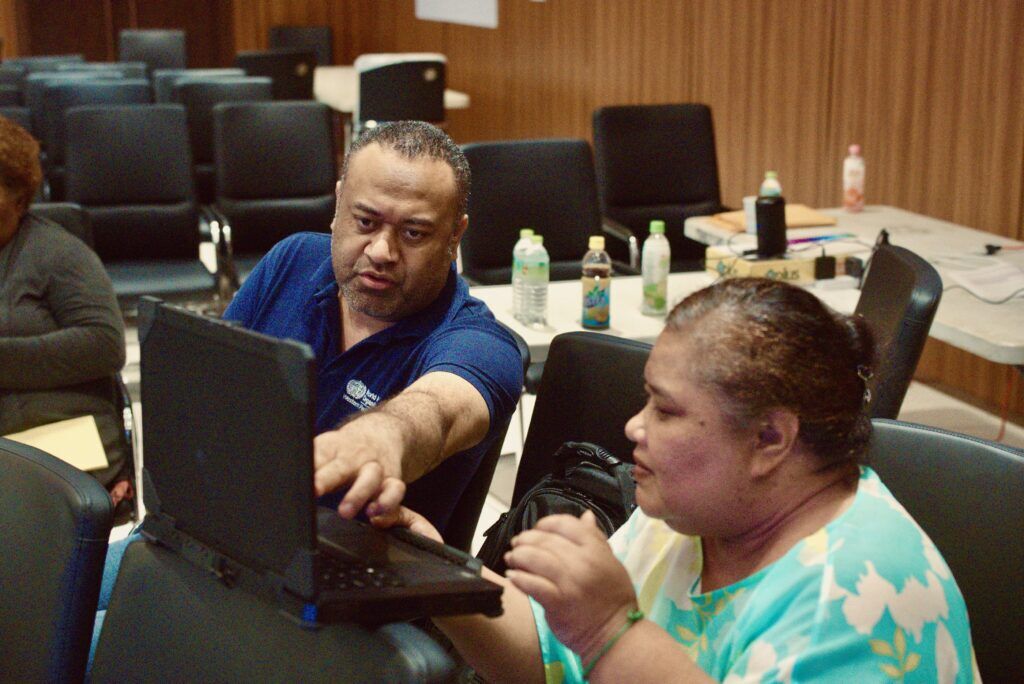
From 15–19 September 2025, the Federated States of Micronesia (FSM), in collaboration with the World Health Organization (WHO), hosted a five-day national workshop aimed at strengthening the country’s preparedness for health emergencies. The event included a three-day exercise to develop FSM’s national emergency risk profile, a one-day session focused on mapping and strengthening the emergency surge workforce, and a one-day training for national facilitators to lead future preparedness activities.

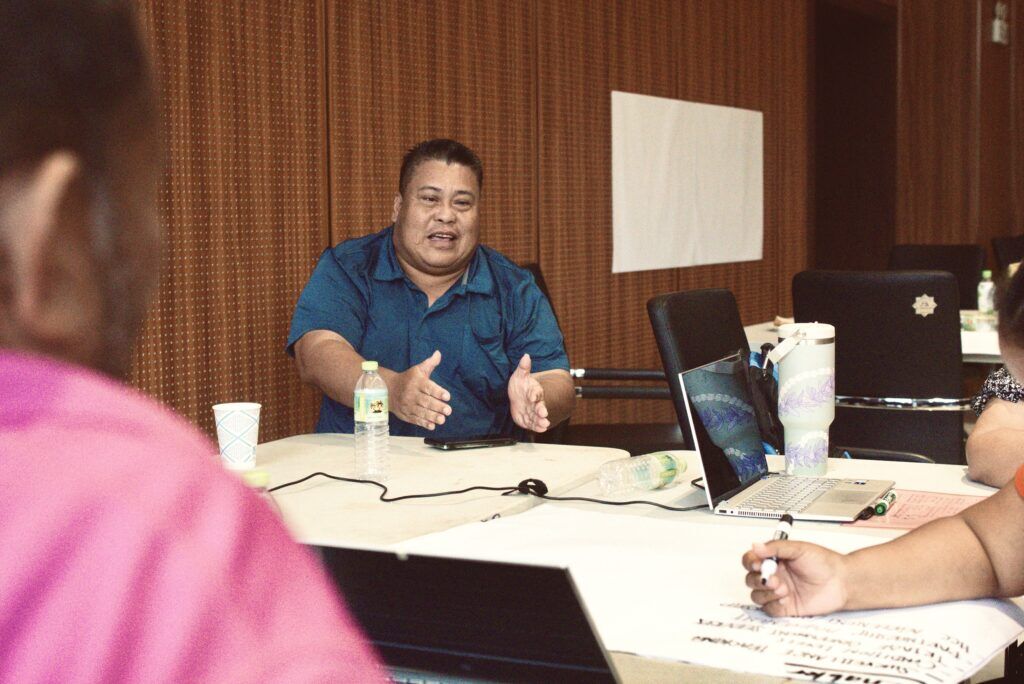
Over 25 participants—representing multi-sectoral agencies—worked to identify hazards facing the country, prioritize actions to mitigate risks and strengthen emergency workforce capacities. This multisectoral collaboration reflects the need for integrated action to better prepare for future emergencies that lie at the intersection of human, animal and environmental health.

 The workshop also emphasized the One Health approach, which recognizes that the health of people is closely connected to the health of animals and the environment. This focus directly responds to a priority identified by the FSM Government. Through group exercises and discussions, the workshop provided a valuable opportunity for FSM’s One Health coordination body to come together, share perspectives, and agree on practical next steps to strengthen collaboration across sectors. Participants worked together to identify health hazards specific to FSM’s unique contexts, laying the groundwork for a risk-informed national emergency plan.

To further drive home the importance of multi-hazard, multisectoral approaches to emergency preparedness, the workshop included analysis of the national emergency surge workforce to better understand enablers and constraints to scaling up a response.  Experts from health, disaster management, logistics, and security sectors came together to explore how their agencies can work more effectively together during complex emergencies. These cross-sector discussions clarified roles, strengthened partnerships, and identified practical ways to improve coordination, forming the foundation for a more unified and agile national response.

“This workshop was a vital step in strengthening FSM’s emergency preparedness,” said Mr. Sean Casey, Officer-in-Charge (OIC), WHO Country Office for Northern Micronesia “It introduced the Strategic Toolkit for Assessing Risks (STAR), a practical tool that helps countries identify, prioritize, and plan for hazards. By applying the STAR methodology in a collaborative setting, participants from across sectors were able to assess risks, clarify roles, and explore ways to improve coordination. This kind of structured, multisectoral engagement is essential for building a resilient response system that can act swiftly and effectively when emergencies arise.”

 “In FSM, our communities are spread across many islands, which can make emergency coordination challenging,” said Marcus Samo, Secretary of the Department of Health and Social Affairs. “That’s why bringing together voices from across sectors is so important. This workshop helped us connect, plan together, and build a stronger foundation for responding to future emergencies as one.”

This work was enabled with support from the Gates Foundation and the Institute of Philanthropy.