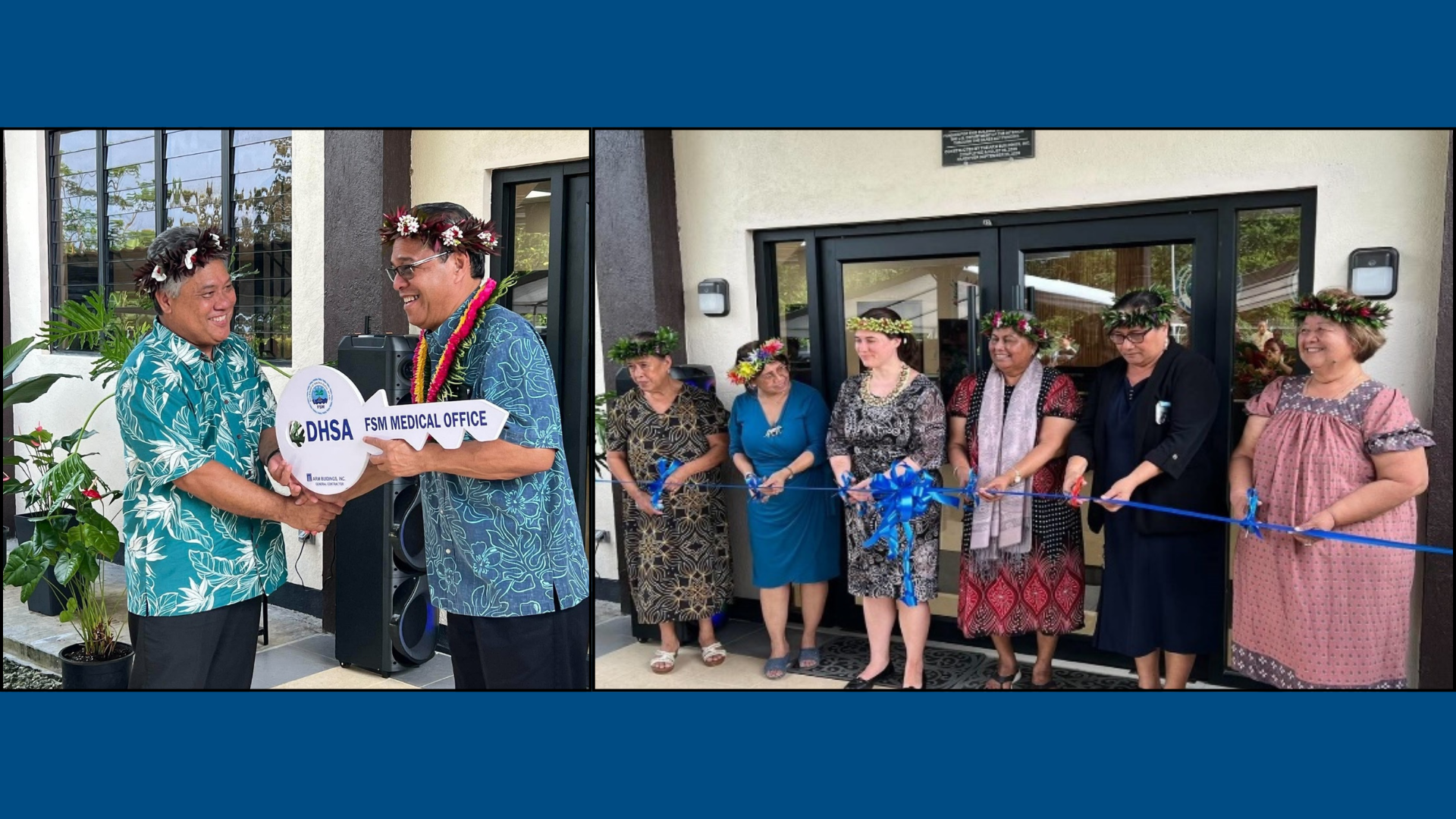
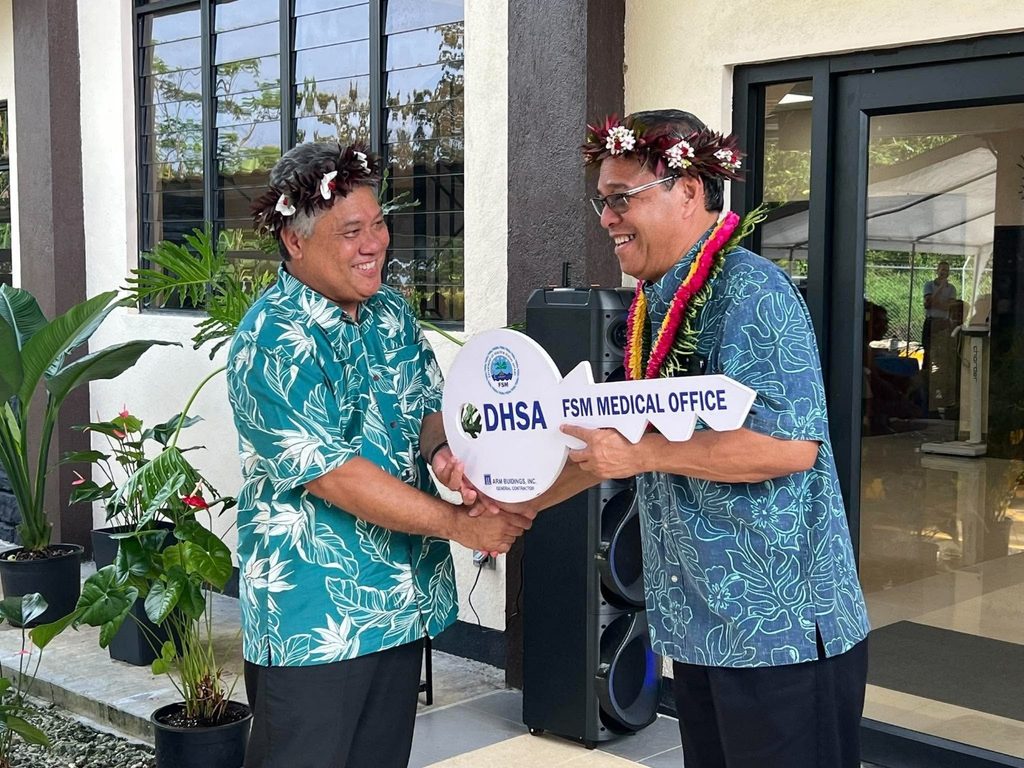
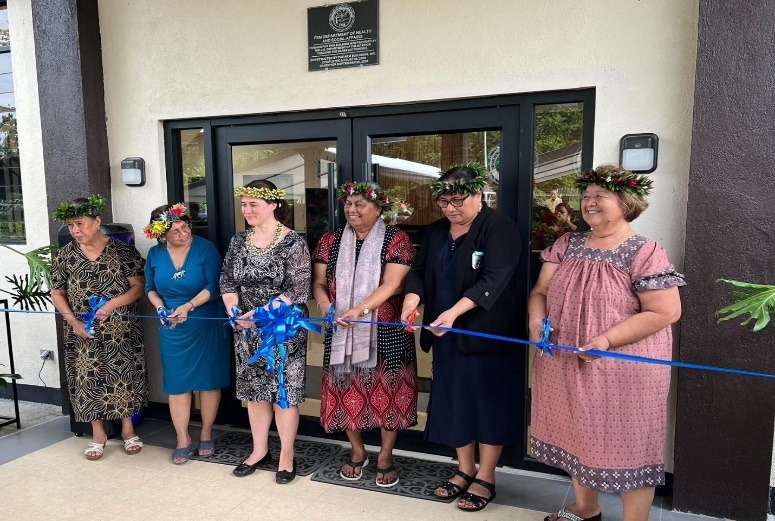
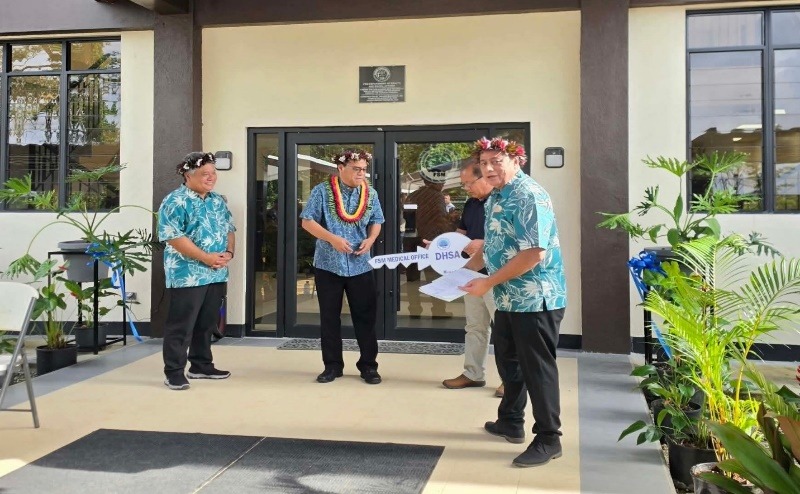
On September 25, 2026 at 3:00pm, H.E. President W. Simina and the FSM leadership, Wasahi Sokehs, Pohnpei health services, members of the clergy, members of the diplomatic corp, international and regional partner organizations, community members, friends, and FSMDHSA staff gathered in Palikir to witness the handover and celebrate the opening of the new two-story building for the FSM Department of Health and Social Affairs. Construction of the new building was made possible through the CARES (Coronavirus Aid Relief and Economic Security) Act funding from the U.S. Department of Interior and our own limited resources. The building was designed and built with multiple purposes in mind- office space, medical storage and quarantine facility.
The CARES Act funding played a pivotal role during the COVID Pandemic, particularly in our nation and States’ success in preparing for and preventing the introduction of the coronavirus into FSM for nearly 3 years, while increasing the nation’s COVID-19 vaccination coverage and carefully repatriating home our citizens and residents who were stranded abroad during the pandemic period. The CARES Act funding also contributed to improvements to our healthcare infrastructures including workforce training and capacity building which will have long-lasting impacts for emergency preparedness and response, disease surveillance and health service delivery in our communities.
In his remarks, President Simina thanked the U.S Government for the funding and ARM Buildings Inc for building the facility. He concluded by reminding everyone gathered and the Department of Health and Social Affairs of its vision: “may this building always remind us of goodwill and friendship – two or more work together – greater things can happen. It’s not just for the Department of Health and Social Affairs, but for all those we serve. Your vision of ‘better health and social wellbeing for the people of this country’ should always remind you of why you need this building. Live it, work it, and deliver on that vision.”
Following handover of the key to the building from the contractor to His Excellency President Simina, First Lady Ancelly Simina lead the Rippon cutting ceremony along with FSM Supreme Court Acting Chief Justice Beauleen Carl-Worswick, Congresswoman Merlynn Abello-Alfonso, Acting Deputy Chief of Mission Amy Gradin, Mrs. Makina Samo, and Secretary Rose Nakanga.
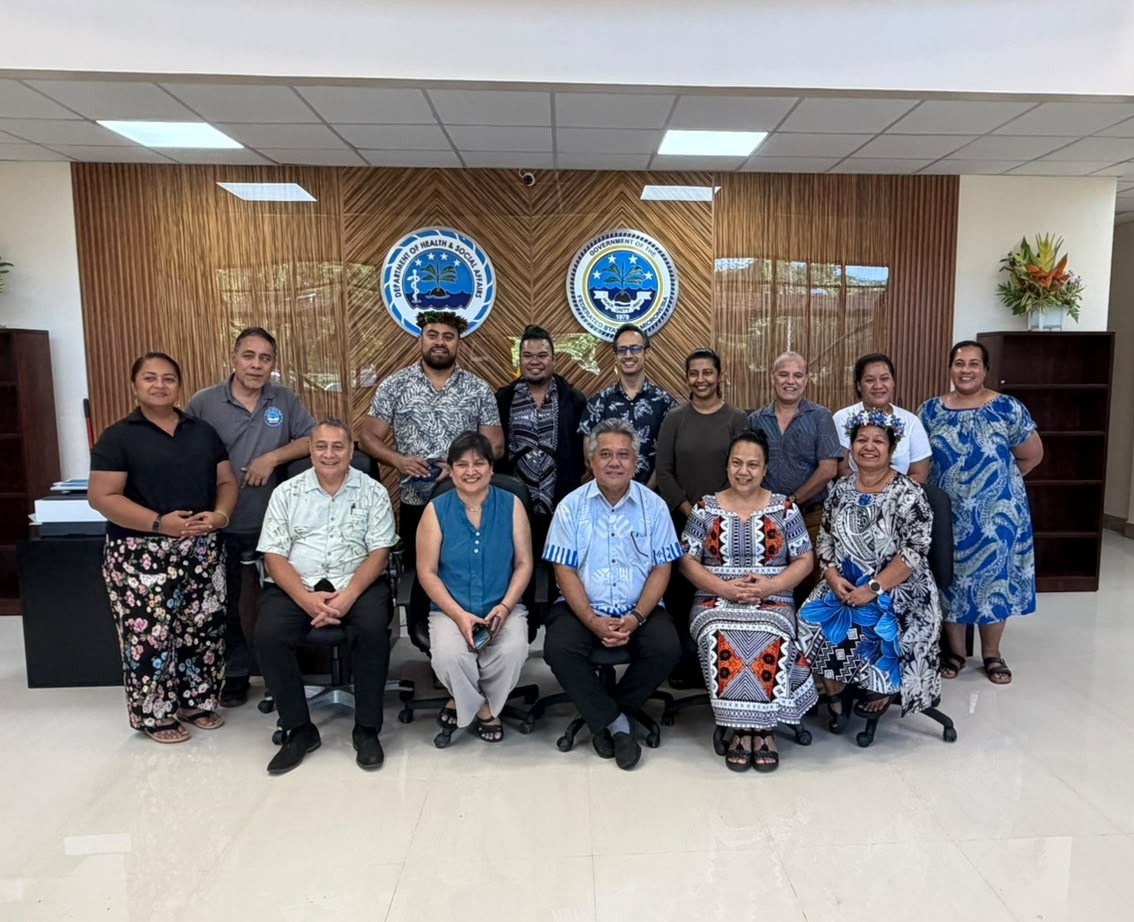
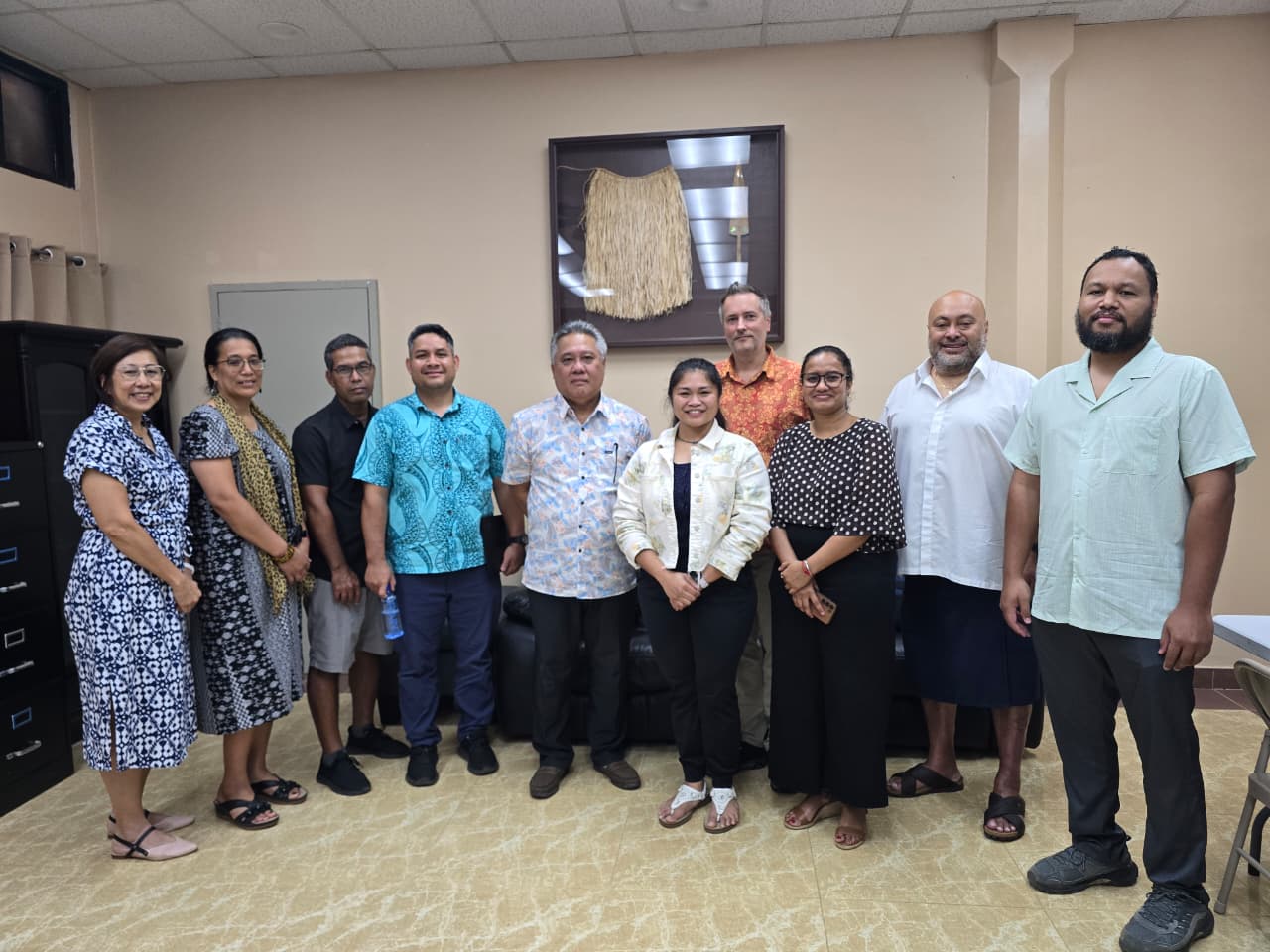
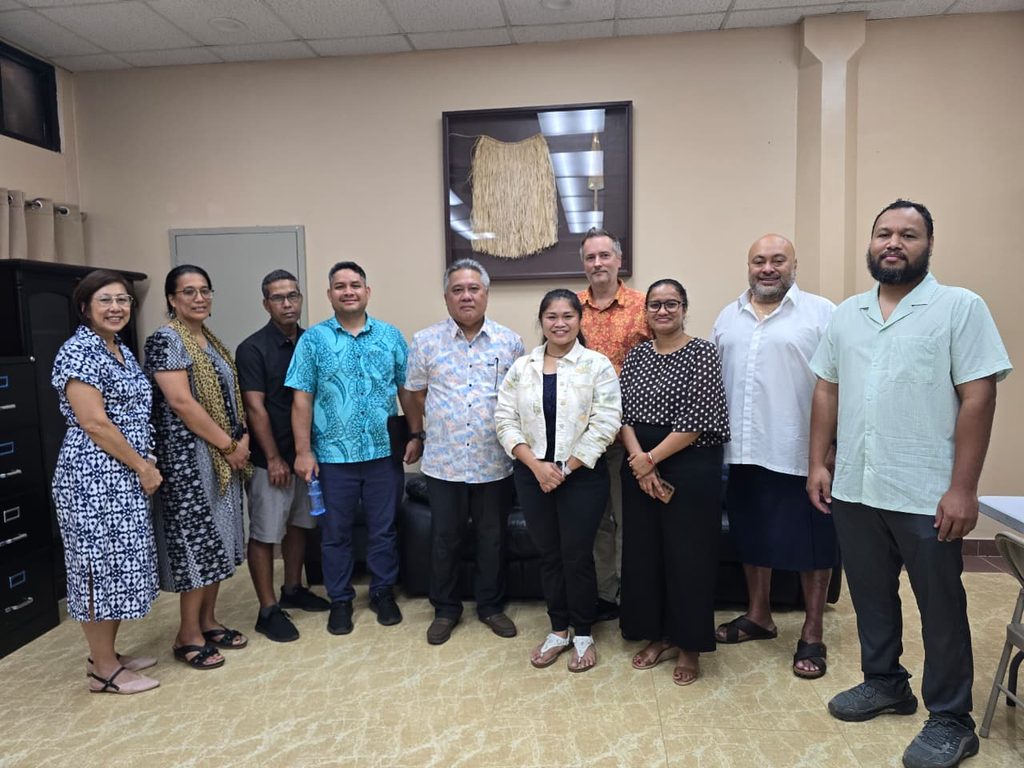
Palikir, Pohnpei – October 2026 – The Federated States of Micronesia (FSM) Department of Health and Social Affairs (DHSA) convened an assessment meeting with a visiting team from Fiji National University (FNU) to evaluate and develop a structured national medical internship program aimed at strengthening medical education, clinical training, and workforce development in the FSM.
Led by Dr. Mai Ling Perman, the FNU team is working with FSM health officials to assess existing internship practices, identify gaps in clinical supervision and training, and develop recommendations for a standardized program aligned with regional medical education standards and national health workforce needs.
The assessment will examine current clinical rotations, supervision capacity, hospital caseloads, assessment methods, and medical licensing requirements. The proposed program aims to establish consistent training standards, provide structured clinical rotations across specialties such as surgery, pediatrics, internal medicine, obstetrics and gynecology (OB/GYN) and emergency medicine, and create clear pathways for FSM medical graduates to pursue postgraduate training.
During the meeting, Secretary Marcus Samo and Assistant Secretary for Health Moses E. Pretrick highlighted key implementation considerations, including funding, coordination between national and state governments, differences in clinical capacity across the four states, and the need for formalized supervision and assessment systems.
The assessment will include consultations with practicing physicians, recent medical graduates, health administrators, and the FSM Medical Licensing Board. The FNU team will also conduct training for local clinical supervisors on effective mentoring, assessment, and feedback, followed by recommendations for establishing a sustainable, country-wide internship program.
The discussions also explored the potential establishment of an FNU Center in the FSM to support long-term medical education, professional development, and institutional capacity building.
This collaboration represents an important step toward strengthening the FSM’s medical workforce, improving clinical training opportunities for local graduates, and building a sustainable foundation for quality healthcare services across the nation.
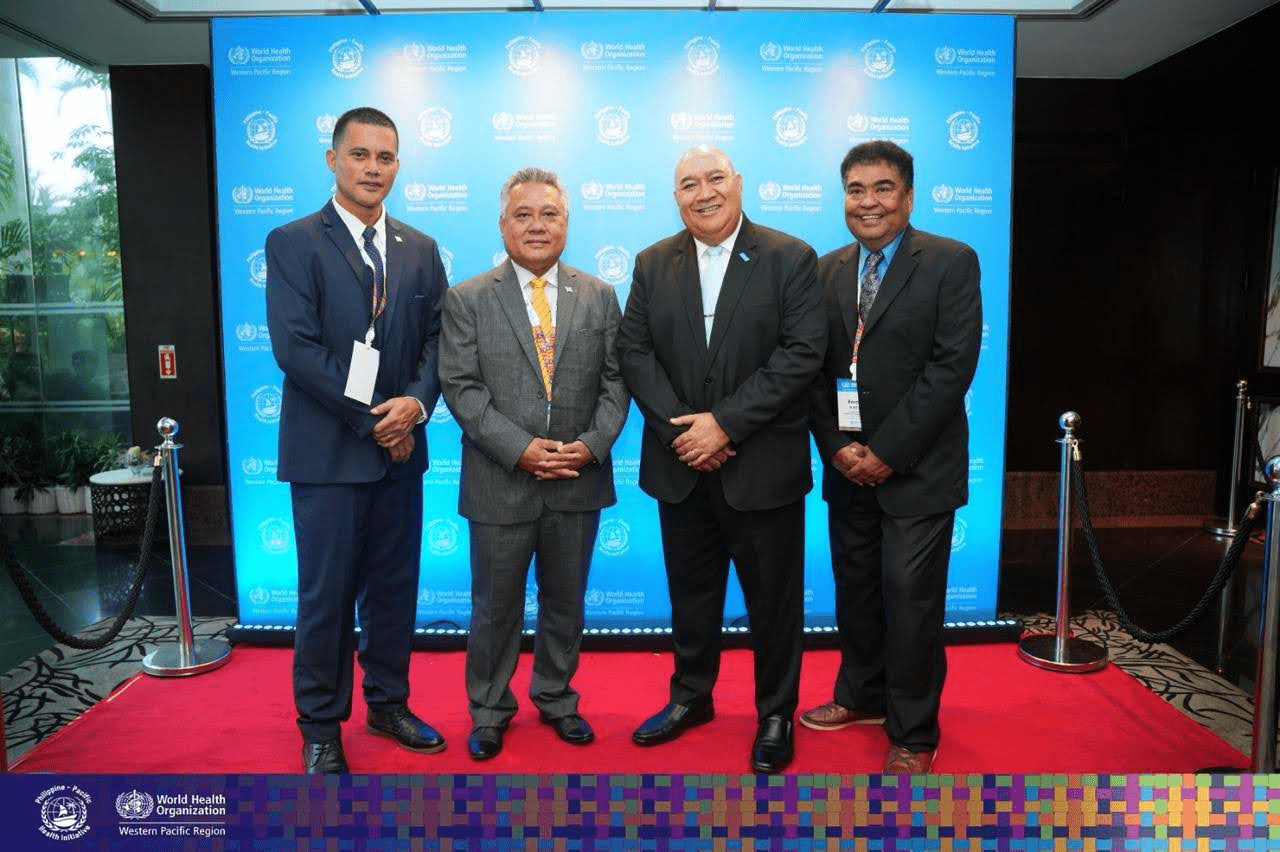
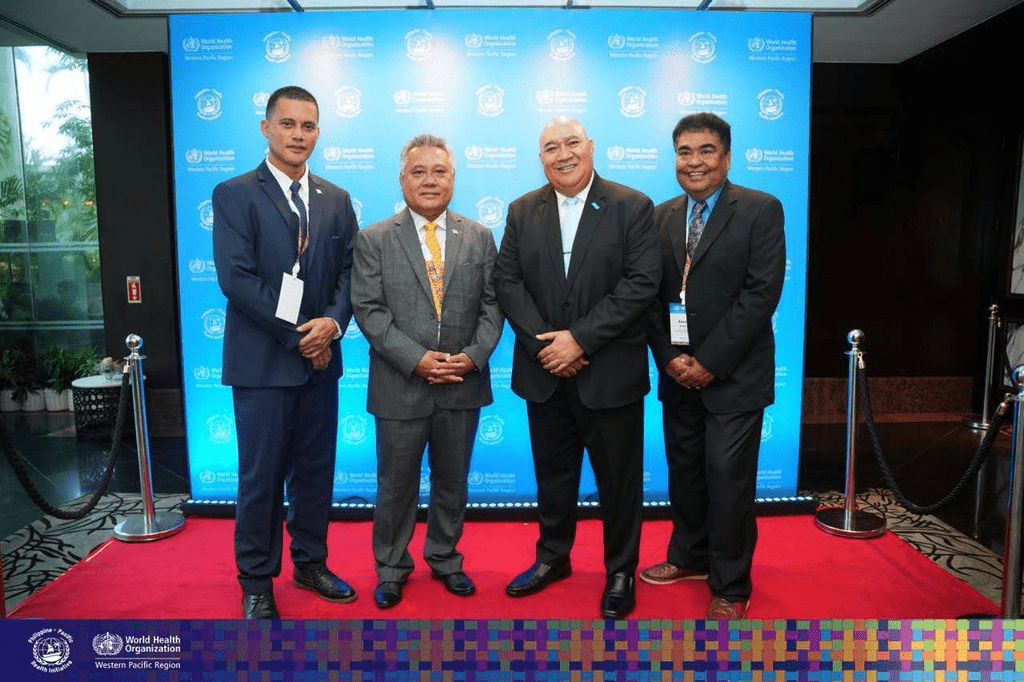
August 26-28, 2026 The Honorable Secretary of Health and Social Affairs Mr. Marcus Samo headed a delegation, consisted of The Honorable Dr. Bosco Buliche from Chuuk Department of Health Services and Mr. Augustus Elias from the FSM Department of Health and Social Affairs, to the Second Meeting on the Philippine–Pacific Health Initiative (PhilPac) held in Manila from September 28-30, 2026.
Administered through the WHO Western Pacific Regional Office in Manila, the aim of the PhilPac Initiative is to strengthen technical collaboration between the Philippine Government and the Pacific Island countries in health human resource, impact of climate change on health, medical tourism, appropriate use of technologies to promote universal health coverage, and health person-to person exchange programs.
At the second PhilPac meeting, a review of progress of ongoing initiatives through the PhilPac mechanism, exchange of lessons learnt and contextualization of the challenges for health human resources are discussed with consideration of the complex and unpredictable environment due to energy-related uncertainties and climate change events. FSM DHSA implored on innovative and long-term solutions that the initiative can support the government with on addressing the health workforce shortage across the nation.
FSM DHSA have secured partnership with some of the learning institutes in the Philippines and counties on the following key priorities: 1: Mapua Institute of Technology – exploring 3 pathways – for Bachelor Graduates; for Associate Degree holders; for post graduate internship. 2. UP Primary care / Specialist – requires a needs assessment for specialist training; internships. 3. Biomed engineering/ Mechanics requires discussion on modalities with East Avenue Medical Center / Davao Regional Health Office also has a training institute 4. HEARTS Hypertension 5. The tobacco leadership ; oral health ; mental health – will be taken separately as an online course/ tele-mentoring OR a WPRO activity. 6. The placement of the doctor from the “Doctors to the Barrios Program” of the DOH will require internal discussions at the DOH Philippines.
The platform was a great conduit to support the aforementioned priorities, linking learning institutes and counties to FSM DHSA,s needs. FSM looks forward to continued partnerships to realize these great opportunities to support and build our human resource for health within the nation.
Palikir, Federated States of Micronesia — A World Bank Mission met with Secretary Samo of the Federated States of Micronesia (FSM) Department of Health and Social Affairs on September 03, 2026, to review progress, implementation challenges, and next steps for the Digital Gender Project.
Secretary Samo emphasized that the project’s activities extend beyond infrastructure or training; they are investments in opportunity, safety, and dignity that will deliver significant benefits for health services and communities. They will help women, youth and other vulnerable groups participate in online markets, access financial and health information, build businesses, and use digital platforms without fear of harassment, exploitation, or violence.
To advance women’s meaningful, safe, and equitable participation in digital technology, the project focuses on several priority areas, including community awareness and digital literacy; women’s economic empowerment; digital infrastructure and access; policy development; and the collection and reporting of sex-disaggregated data.
The World Bank recognized that the project’s digital literacy work is moving beyond outreach and training by leaving participants with tangible, practical skills they can apply in their daily lives, businesses, communities, and workplaces. These skills are intended to help women access online markets, financial and health information, digital services, and other opportunities more safely and effectively.
Although implementation has faced challenges, the FSM Department of Health & Social Affairs remains committed to delivering sustainable results. The meeting reaffirmed the importance of strengthening coordination, resolving project-specific issues, and accelerating implementation.
The Department of Health and Social Affairs expressed its appreciation to the World Bank for its continued partnership and support. Both parties reaffirmed their shared commitment to ensuring that digital transformation in the FSM is innovative, inclusive, safe, and empowering for all.
August 17, 2026 – FSM Department of Health & Social Affairs
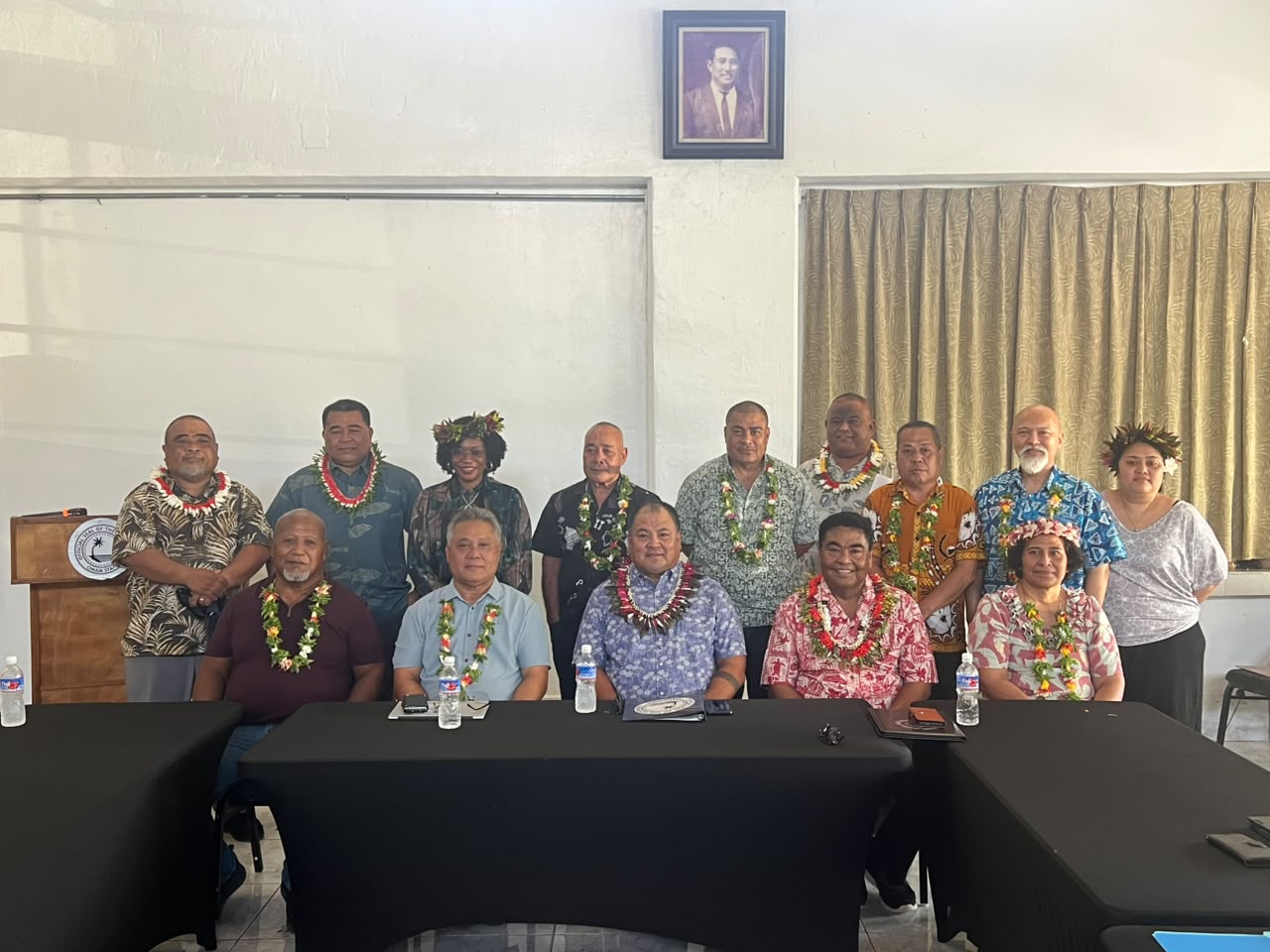
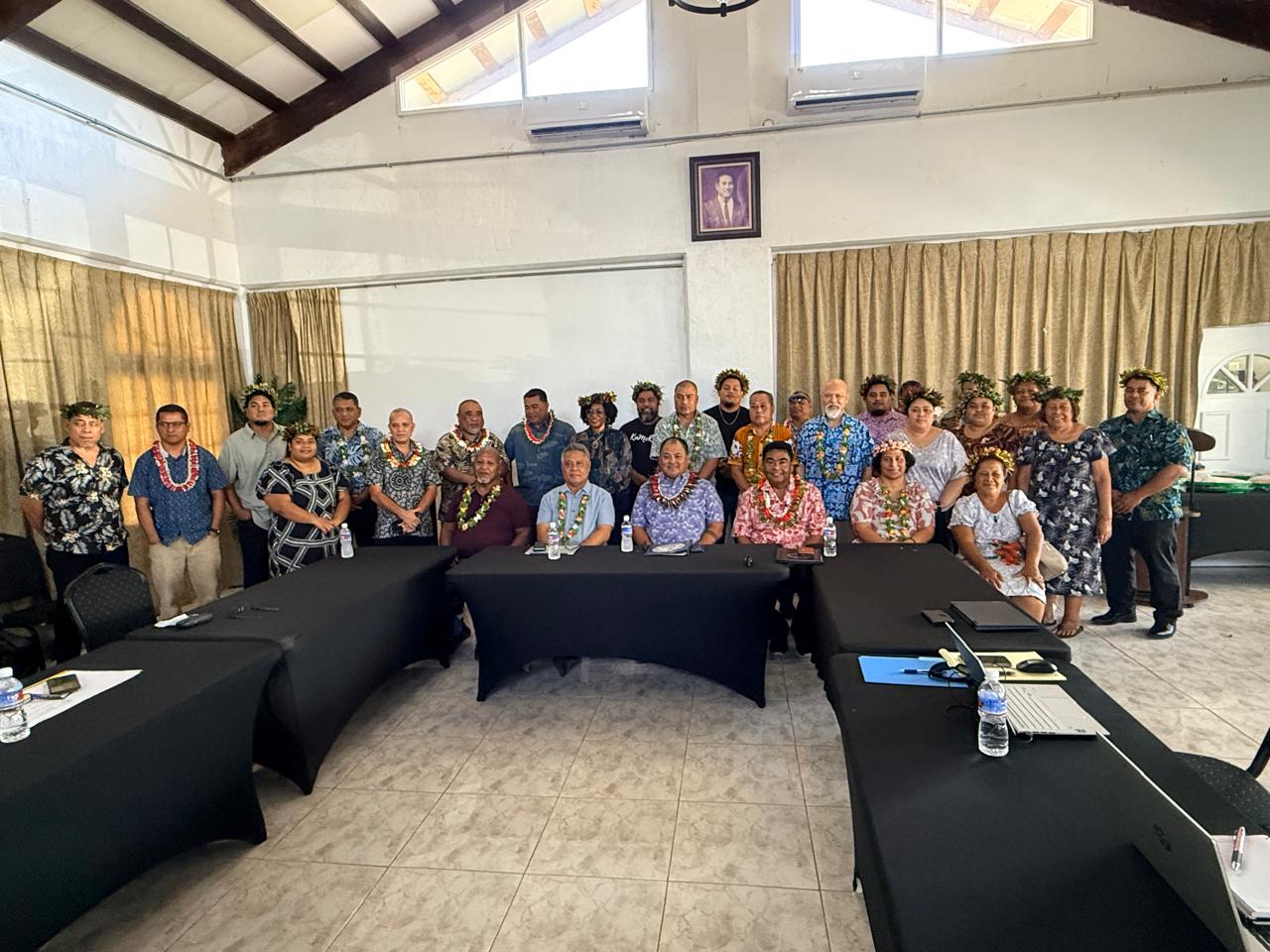
Weno, Chuuk – Health leaders from across the Federated States of Micronesia (FSM) convened in Weno, Chuuk, from August 10–12 for the FSM Health Leadership Second Bi-Annual Meeting for 2026. This event brough together the Secretary of the FSM Department of Health and Social Affairs, the Directors of Health from the States, their key staff, partners from the UN agencies and (WHO, UNFPA, UNICEF and UNDP) and representatives from the private sector.
In his keynote address, T.H. Alexander R. Narruhn, Governor of Chuuk State challenged the health leaders to be bold, question the status quo, and pursue meaningful improvements in healthcare. The meeting carried one clear message: the FSM must not settle for the status quo and must continue working to improve healthcare for all its people.
Over three days, health leaders discussed key priorities including health system performance, health workforce development, digital health, maternal and reproductive health, essential medicines, health financing, public health preparedness, cybersecurity, antimicrobial resistance, and health workforce development. The meeting gave opportunity to the UN agency partners and representative from the private sector to present what they’re doing in the health space.
The meeting also reviewed findings from the FSM Health Digest 2025 and the FSM’s 10 Health Sector Key Performance Indicators (KPIs) reported to Joint Economic Management Committee (JEMCO) and the National Strategic Development Plan (SDP) Team. Leaders emphasized the importance of using reliable health data to guide decisions, strengthen accountability, and demonstrate measurable results from health-sector investments.
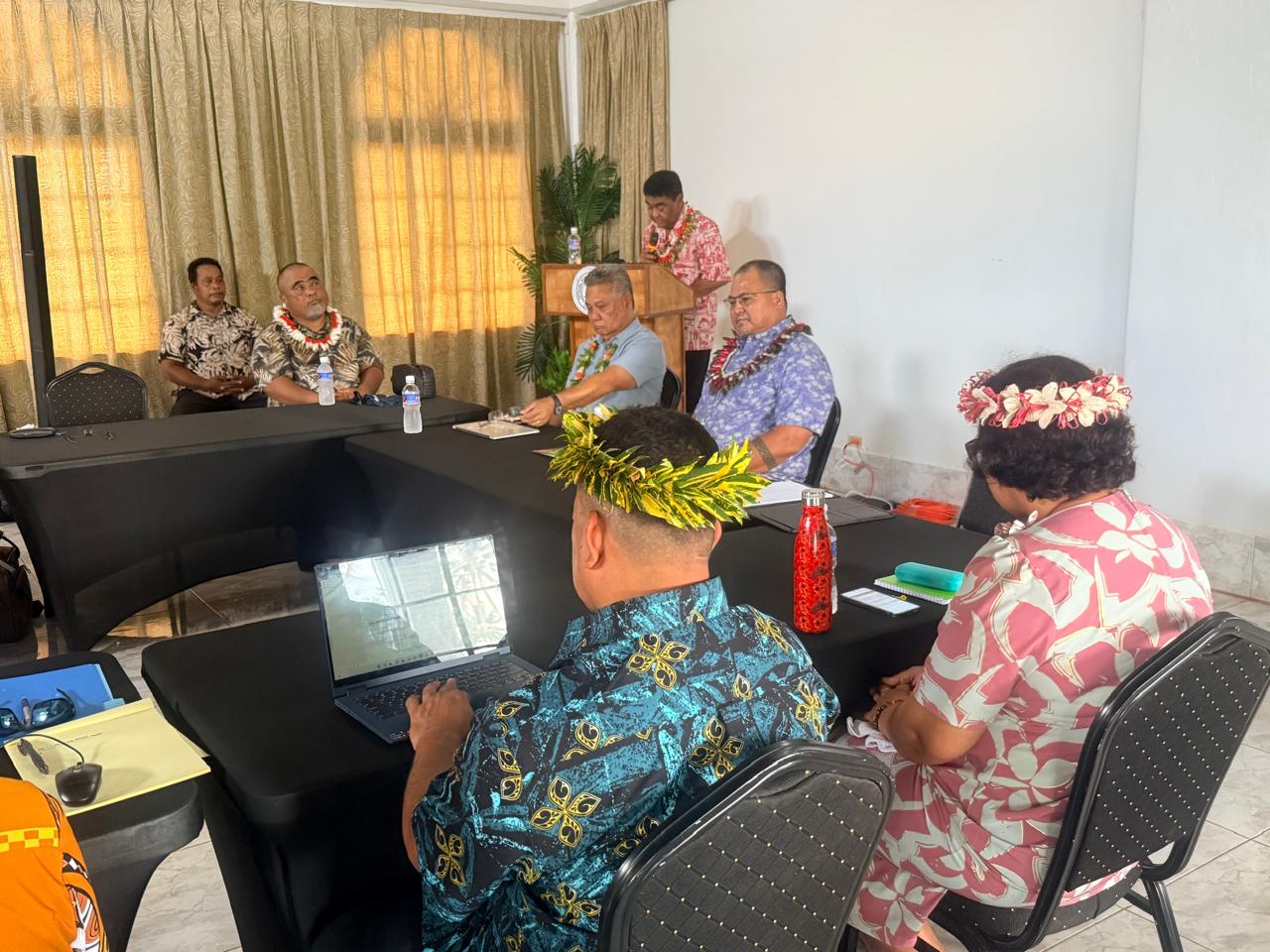
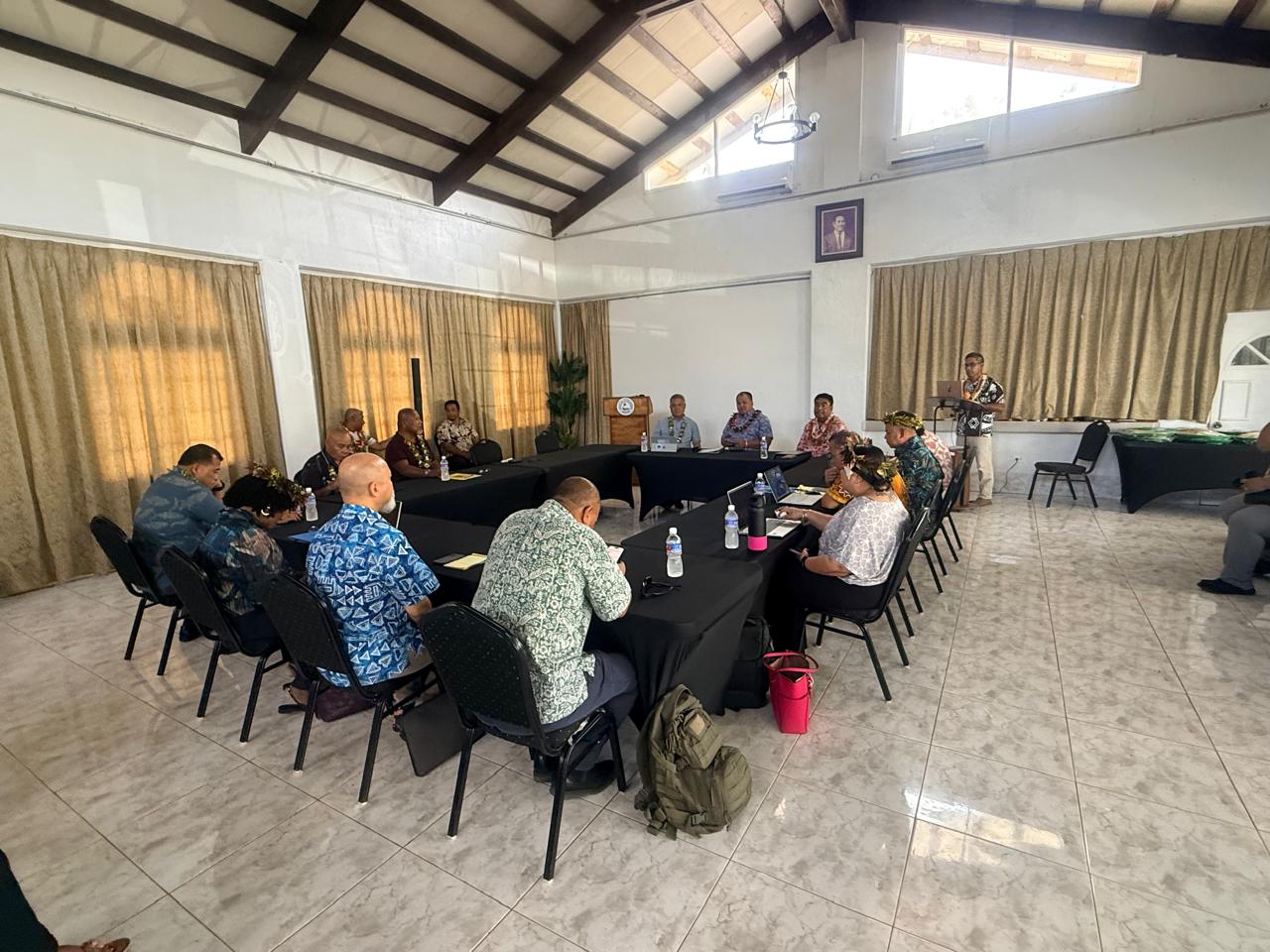
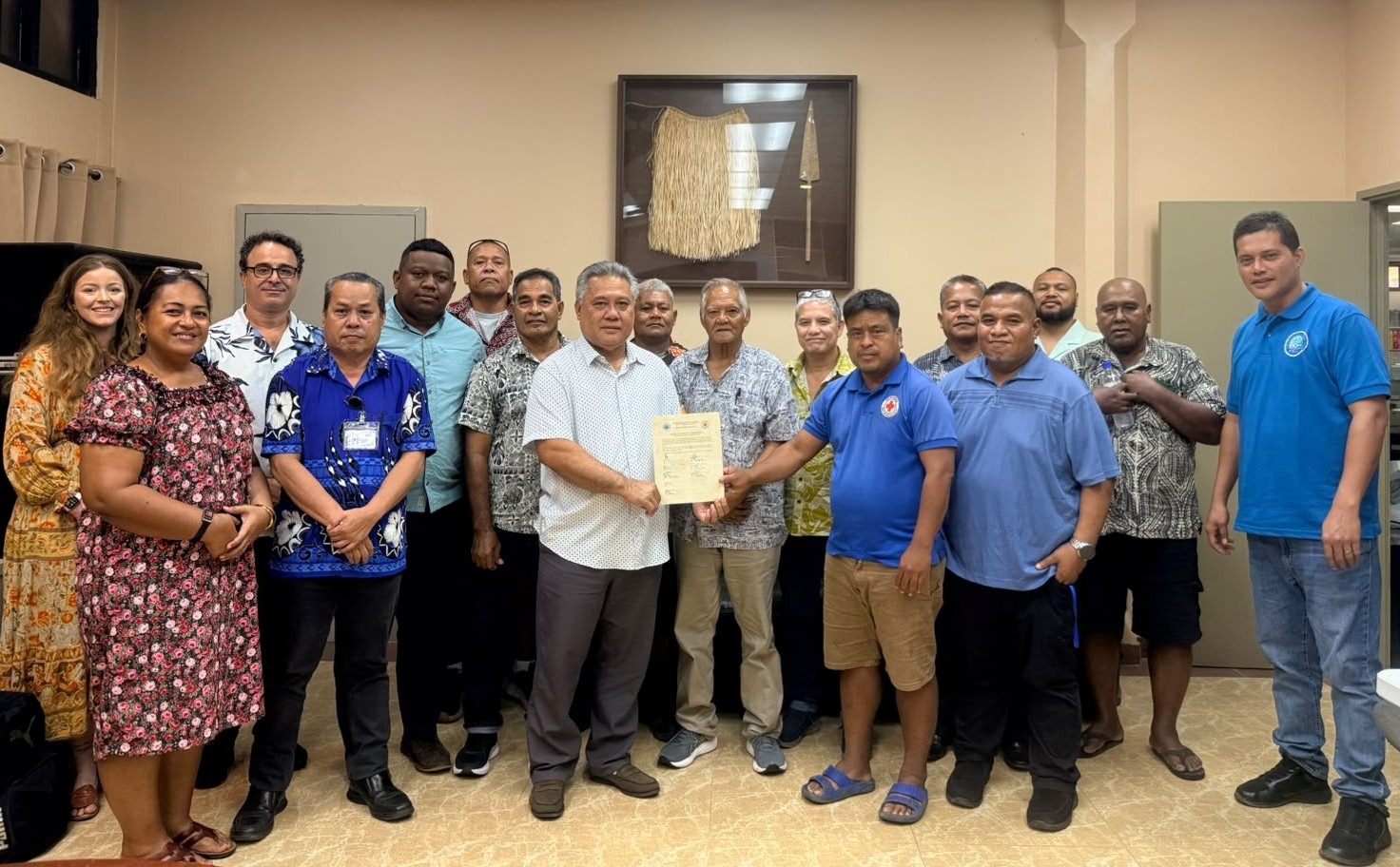
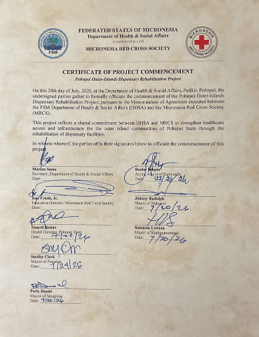
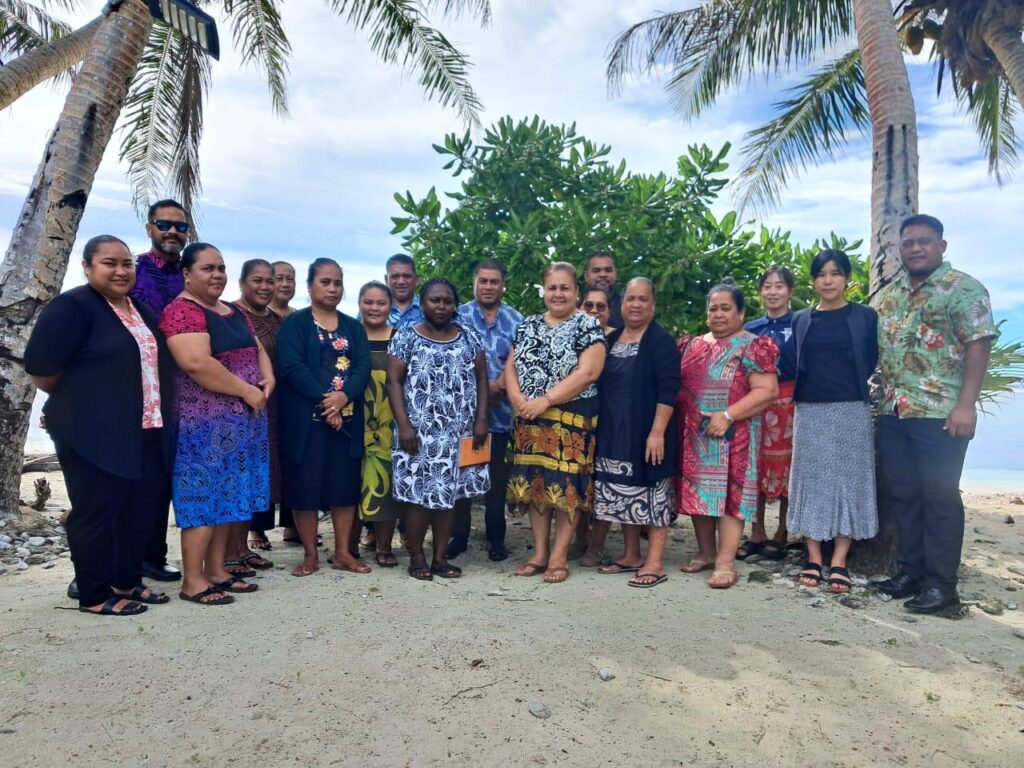
PALIKIR, POHNPEI, FSM, July 20, 2026 – After years of infrastructure gaps that left outer island dispensaries in disrepair and too often outside the reach of national investment, the FSM Department of Health and Social Affairs (DHSA) marked a turning point for outer island healthcare. DHSA hosted Pohnpei outer island community leaders, mayors and island representatives, and the Pohnpei State Department of Health Services (PDHS) to formally officiate the commencement of the Pohnpei Outer-Islands Dispensary Rehabilitation Project, in accordance with the Memorandum of Agreement executed between FSM DHSA and the Micronesia Red Cross Society (MRCS).
Outer island dispensaries have historically competed with many other pressing national priorities for limited infrastructure funding, and progress on their rehabilitation has been slow to come by. The signing represents DHSA’s deliberate move to change that trajectory, pairing with implementing partner in MRCS capable of delivering results directly to the islands that have waited longest.
Putting the Outer Islands First
For too long, dispensaries on Pohnpei’s outer islands have been left to deteriorate, with some falling into such disrepair that soon health assistants have had little choice but to see patients out of their own homes. DHSA leadership was direct in stating that the time to reverse that trend is now: without sustained investment, outer island communities risk losing the last remaining foothold of formal healthcare on their islands altogether.
Secretary Marcus Samo framed the moment as a turning point for the Department’s approach to outer island health infrastructure. “This is what health equity looks like in practice,” Secretary Samo said. “Our outer island communities have waited long enough. We are here today not just to renovate buildings, but to reaffirm that every family in Pohnpei State, no matter how remote the island, deserves a real place to receive care.” Perly Daniel of Mwoakilloa, who has pressed for the project for years, said he was “very glad” to finally see it underway.
Built With Communities, For Communities
Central to DHSA’s approach has been a deliberate insistence on community ownership from the outset. Rather than treat the dispensaries as government-managed assets, DHSA structured the project’s planning process around the community involvement from the beginning of the project. Pohnpei Chief of Public Health Semenson Ehpel, who has worked closely with the outer islands throughout the project’s development, said involving community leadership early was essential to giving communities a genuine sense of ownership, noting that health facilities ultimately rest with their communities, a deliberate signal that these dispensaries belong to the people they serve, not to the government that funds them.
That philosophy shaped the choice of implementing partner as well. After an initial competitive bid process through the FSM Department of Communication, Infrastructure and Transportation drew limited interest and a cost proposal beyond the project’s budget, DHSA turned to MRCS, drawing on the organization’s community-level experience and track record delivering similar infrastructure work for other projects in the region. Under the arrangement, MRCS will serve as the project’s implementing agent, procuring materials and coordinating construction directly with each outer island community, while DHSA provides financing and oversight, keeping decision-making close to the ground rather than routed through layers of contracting. Speaking on behalf of MRCS’s management and board, Morgan David thanked DHSA for the opportunity to support the effort, noting that stepping into service gaps and delivering for communities in a timely manner is central to the Red Cross’s auxiliary role to government.
Investing Beyond the Buildings
Secretary Samo emphasized that DHSA views the rehabilitation work as a foundation, not an endpoint. The Department intends to pair the renovated facilities with training, medical supplies and connectivity for outer island health assistants, with a longer-term vision of reliable, round-the-clock connectivity for every outer island dispensary, enabling communication with Pohnpei State hospitals and, eventually, access to telehealth and telemedicine services. He noted that DHSA is also in early discussions with a private-sector technology partner exploring US government support for digital health infrastructure across the outer islands, an effort that could build on the momentum establishment.
Secretary Samo closed by underscoring that the project’s success will be measured not just in renovated buildings, but in communities that feel ownership over their own health facilities, and expressed hope that Pohnpei’s model of community-driven, DHSA-championed rehabilitation could serve as a template for outer island dispensary improvements in FSM’s other states.
About the Project
The Pohnpei Outer-Islands Dispensary Rehabilitation Project will renovate dispensary facilities across Pohnpei State’s outer island communities, including Pingelap, Mwoakilloa, Sapwuafik, Nukuoro and Kapingamarangi, with implementation carried out by the Micronesia Red Cross Society under a Memorandum of Agreement with the FSM Department of Health and Social Affairs.
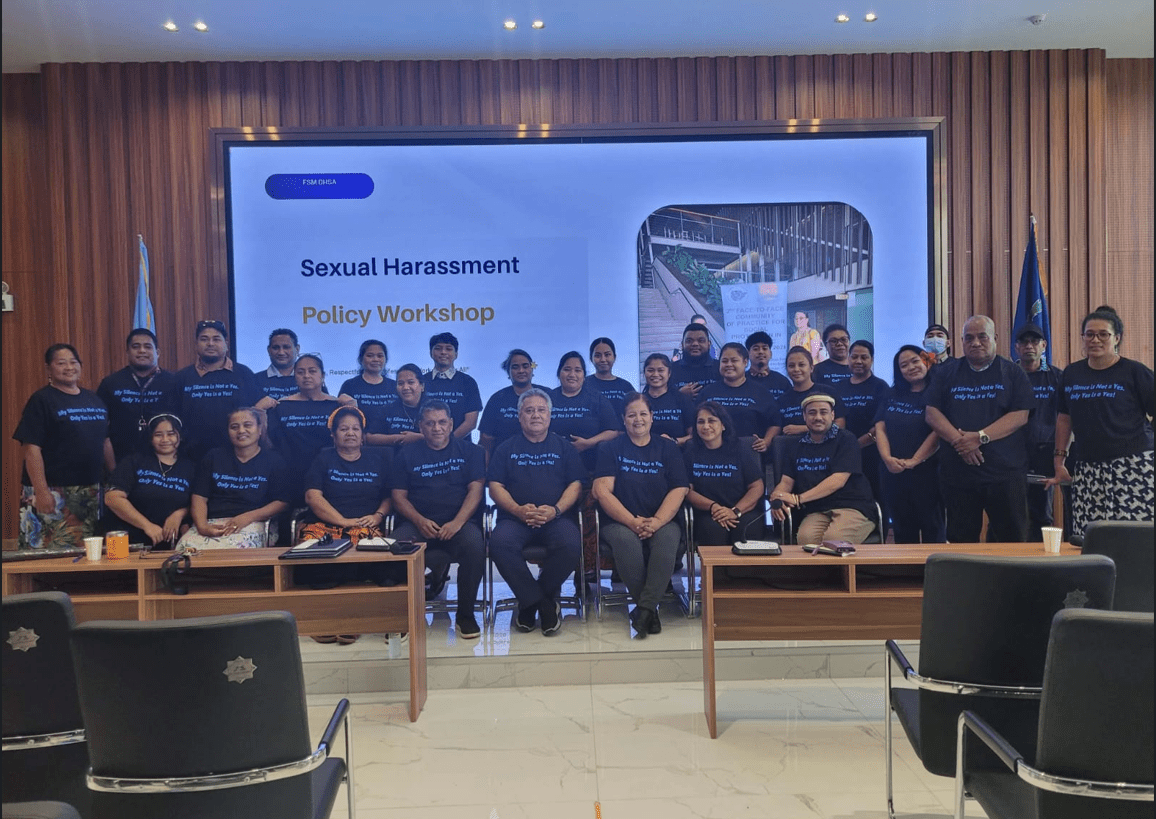
Palikir, Pohnpei — Marking a significant step to ensuring a safe, respectful and professional workplace, the FSM Department of Health & Social Affairs (DHSA) convened a two-day Sexual Harassment Policy Workshop on June 22–23, 2026, at the KaMoRaLe Convention Center.
‘Understanding why this policy exists is the foundation of meaningful change. Harassment doesn’t just harm individuals, it affects our entire organization’s productivity, reputation, and the well-being of every employee,’ said Secretary Samo in his remarks to open the workshop.
The workshop detailed the Department’s “Zero Tolerance” stance, that sexual harassment, whether physical, verbal, or non-verbal, will not be excused. Central to the new policy is a structured, step-by-step reporting framework that prioritizes confidentiality and protects whistleblowers from retaliation. The workshop was facilitated by Takiko Ifamilik, Digital Gender Coordinator and Ruby Awa, Family Protection Adviser.
The workshop increased staff awareness of the adverse impacts of sexual harassment, and discussions on reporting pathways clarified the specific roles of Sexual Harassment Contact Officers (SHCOs).
To ensure long-term impact, participants developed ‘90-Day Team Action Plans.’ These plans include concrete steps such as achieving 100% completion of mandatory training, increasing the visibility of support resources in common areas, and integrating “Respectful Workplace’ discussions into regular team agendas.
The workshop was made possible with support from the Australian Government.
For more information regarding the FSM DHSA Sexual Harassment Policy, please visit https://hsa.gov.fm or contact the Department at (691) 320-4682.
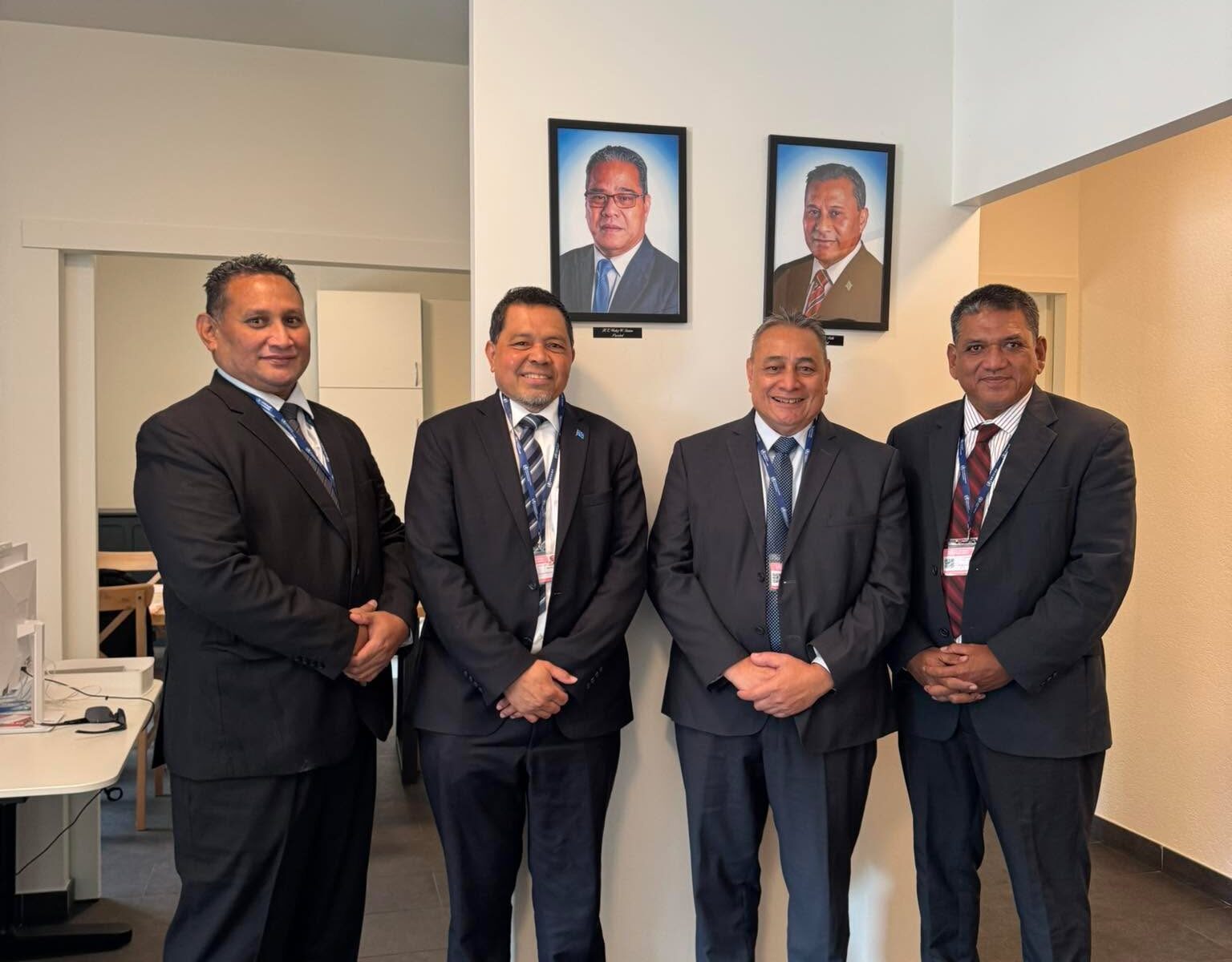
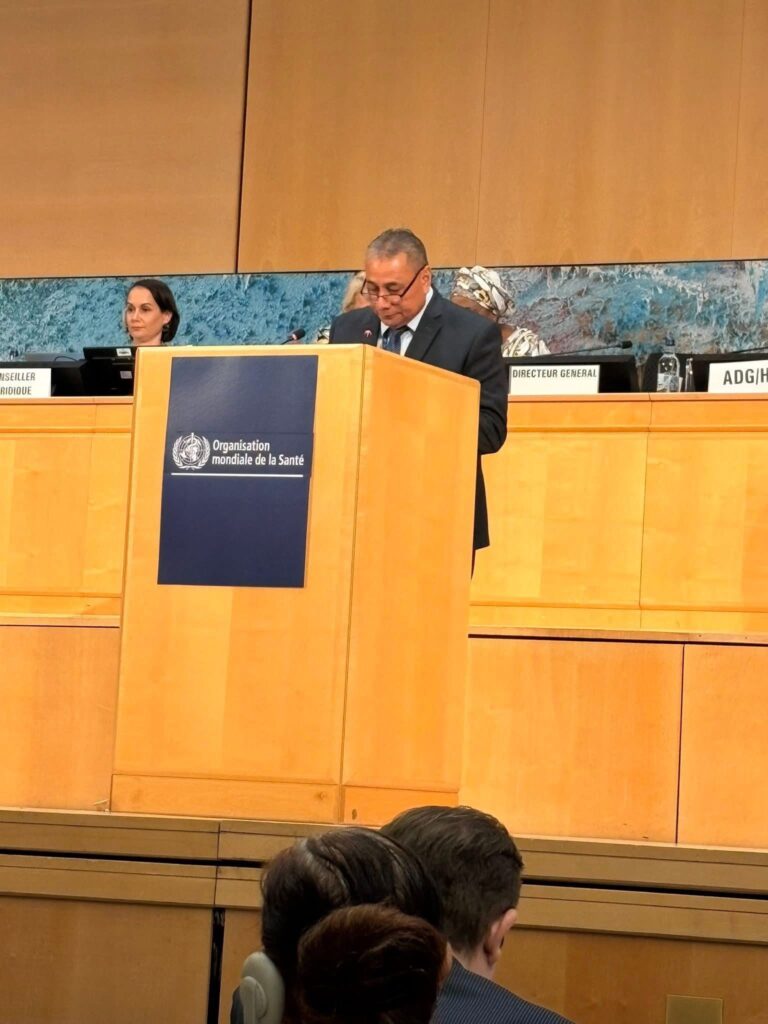
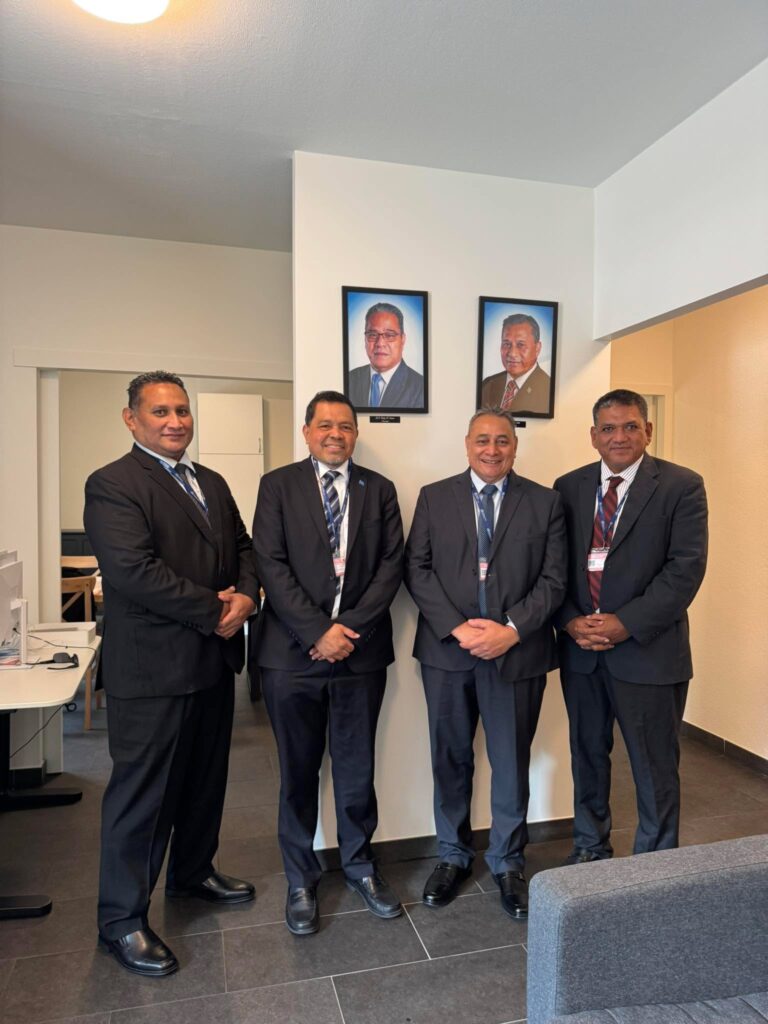
The Federated States of Micronesia (FSM) participated in the 79th World Health Assembly (WHA79) held in Geneva, Switzerland, from May 18–23, 2026, joining health leaders from around the world to discuss global health priorities and shape international health policy.
The FSM delegation was headed by Mr. Moses E. Pretrick, Assistant Secretary for Health, and included Mr. Johnny Hadley, First Secretary for the FSM Permanent Mission in Geneva, and Mr. Stanley Mickey, Program Manager for Maternal and Child Health, and Mr. Ruotpong Pongliyab, Director for Public Health and Hospital Emergency Preparedness.
As the supreme decision-making body of the World Health Organization, the World Health Assembly provides Member States with a unique platform to influence global health policy while ensuring that the voices of countries of all sizes are heard. For Small Island Developing States (SIDS) like the Federated States of Micronesia, participation is particularly important, offering an opportunity to highlight the distinct health challenges faced by remote island nations.
In his statement on the WHA79 theme, Assistant Secretary Pretrick emphasized that “Reshaping Global Health: A Shared Responsibility means strengthening and integrating immunization, mental health, emergency preparedness and response, digital health and surveillance, and community-based health prevention, promotion and protection services into primary healthcare to tackle our every day health challenges, and as the foundation of universal health coverage.”
Throughout the WHA, the FSM delegation delivered additional interventions and participated in discussions on issues including health emergency preparedness, climate change and health, universal health coverage, primary health care, non-communicable diseases, maternal and child health, and strengthening resilient health systems.
FSM’s statement and interventions emphasized the realities of delivering healthcare across widely dispersed islands, the increasing impacts of climate change on public health, limited health workforce capacity, and the need for sustained international partnerships to build resilient and equitable health systems.
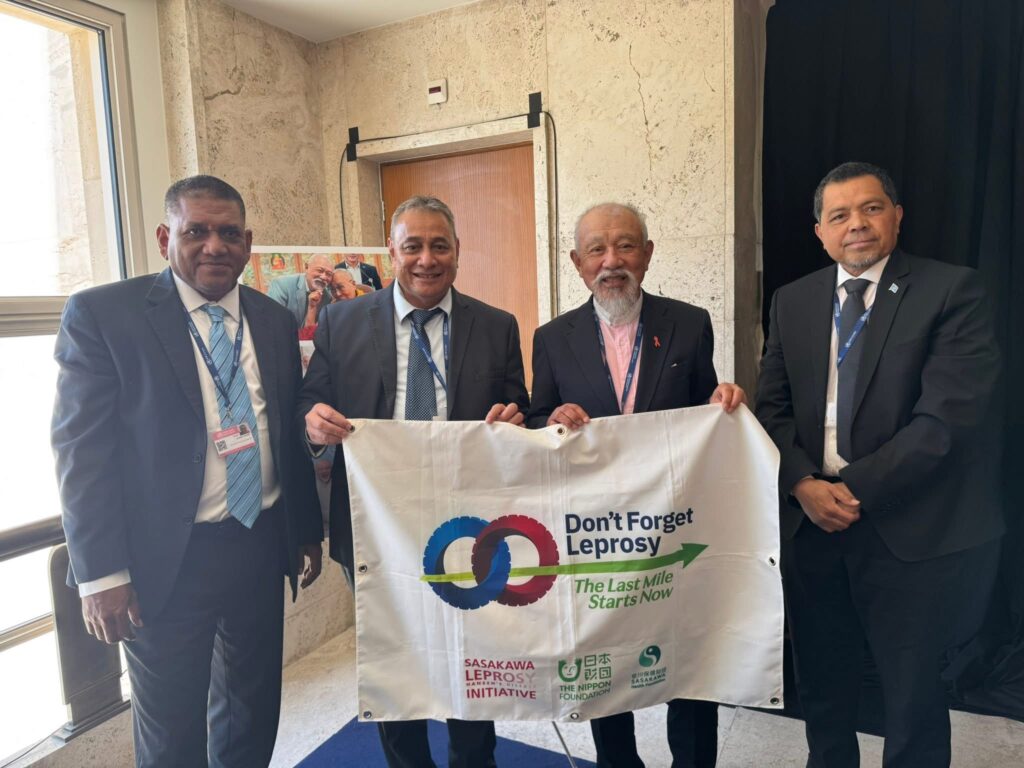
The FSM delegation also met with representatives from the World Health Organization, development partners, the Sasakawa Foundation, and fellow Pacific Island countries to strengthen collaboration on public health priorities and explore opportunities for continued technical cooperation.
FSM remains committed to working alongside its regional and international partners to improve health outcomes and strengthen preparedness for future public health challenges.
Participation in the World Health Assembly reflects the nation’s continued commitment to ensuring that the voices of the Pacific are represented in shaping the future of global health.
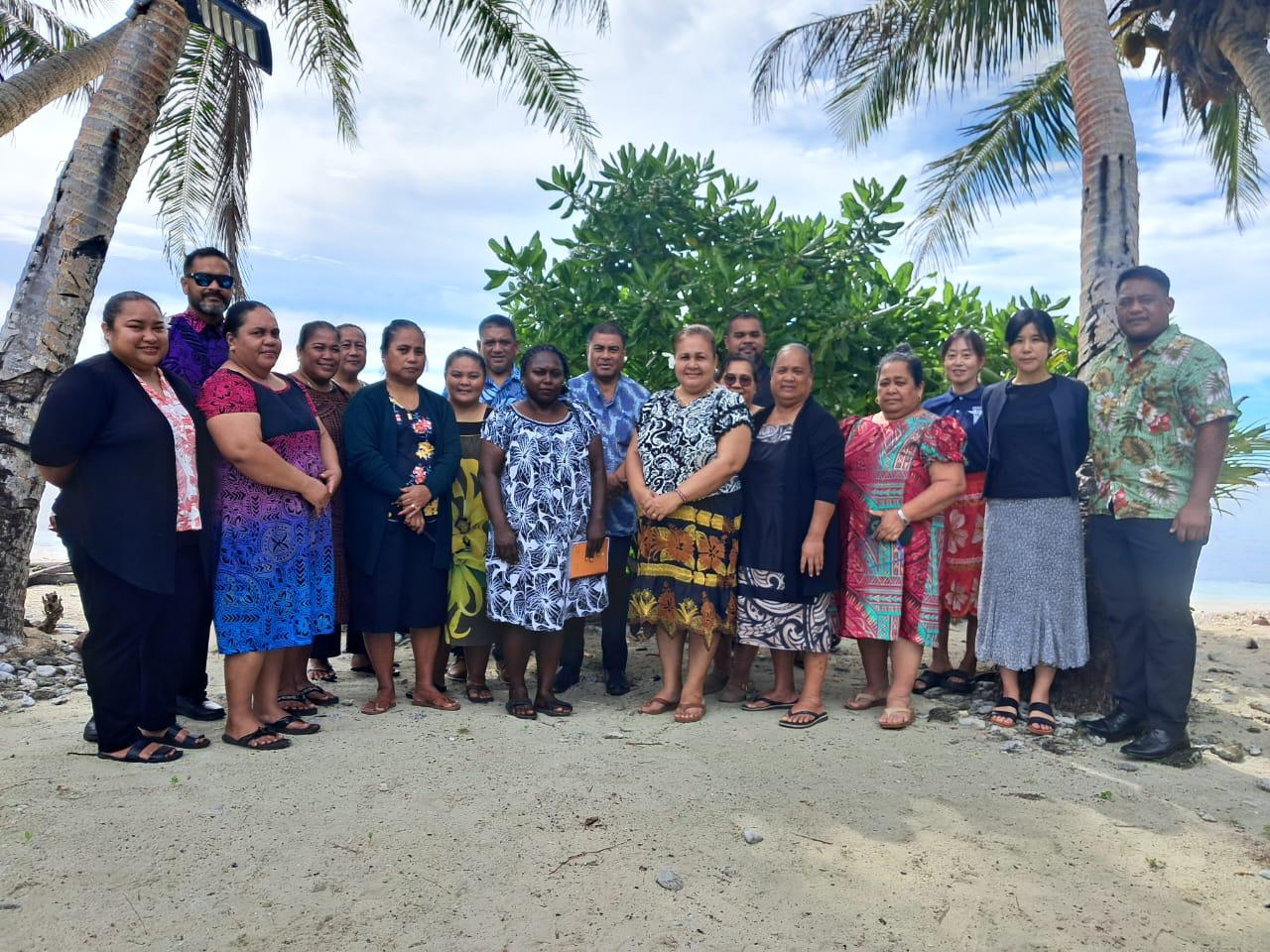
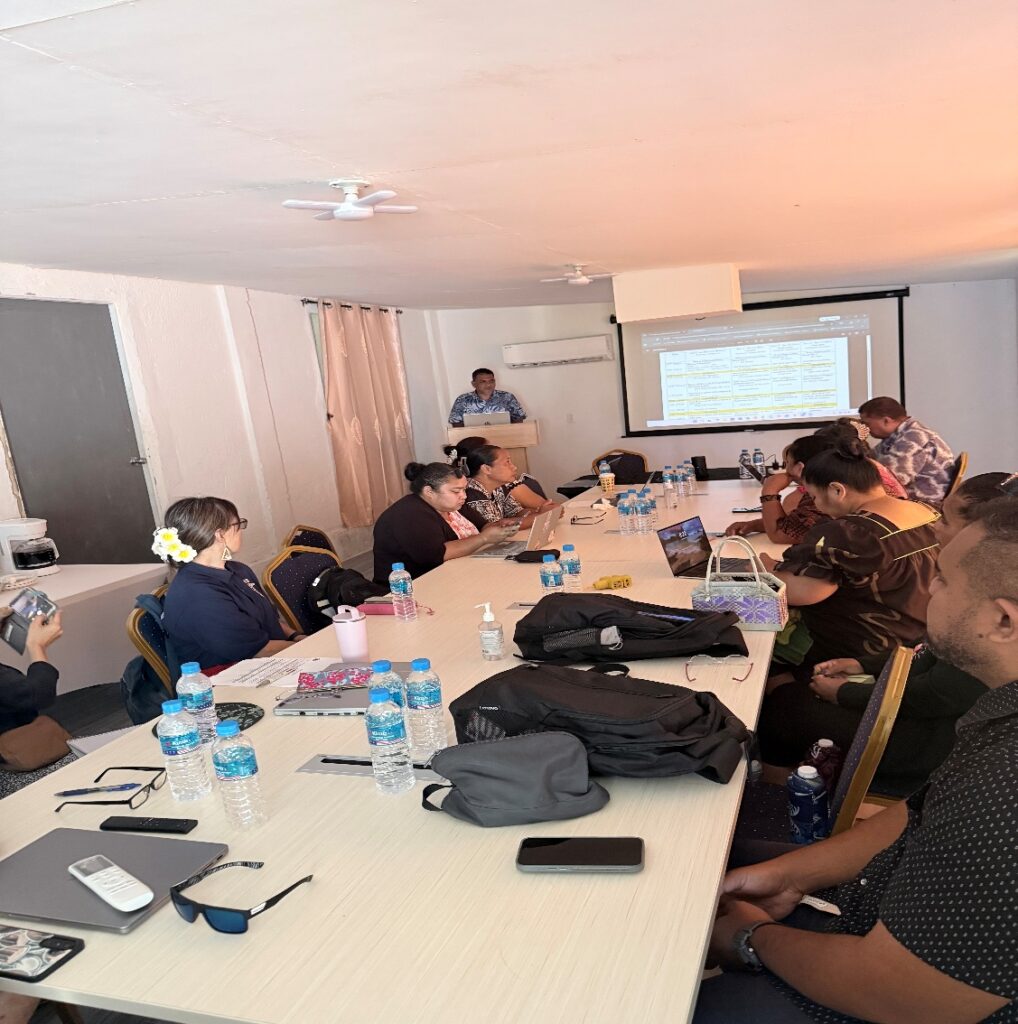
Kosrae, Federated States of Micronesia – June 11, 2026 — The Federated States of Micronesia (FSM) Maternal and Child Health (MCH) Program successfully concluded its Annual MCH Meeting, held from June 8–11, 2026, in Kosrae State. The four-day meeting brought together Maternal and Child Health program representatives from Yap, Chuuk, Pohnpei, and Kosrae, along with national-level staff and development partners, to review program achievements, assess data quality, and strengthen planning efforts for the upcoming fiscal year.
A major accomplishment of the meeting was the completion and review of the 2025 annual MCH Progress Reports from each FSM State. State representatives presented updates on program activities, achievements, challenges, and lessons learned in improving maternal, infant, child, and adolescent health outcomes throughout the nation. The review shed insightful information on the overall progress of the programs in their respective states.
Participants also conducted a comprehensive validation of the FSM MCH Data Matrix, ensuring the accuracy, consistency, and reliability of program data used for reporting, planning, and decision-making. The validation process further strengthened the program’s commitment to evidence-based interventions and accountability in improving health services for mothers and children across the FSM.
In preparation for the upcoming fiscal year, each state MCH program reviewed and refined its action plans, identifying strategic priorities and targeted activities to address emerging health needs and improve service delivery. The collaborative planning process allowed participants to share best practices, discuss common challenges, and develop coordinated approaches to achieving national MCH goals.
The meeting was further enriched by the participation of the Japan International Cooperation Agency (JICA) RESPACT Project, a valued partner supporting maternal and child health initiatives throughout the FSM. Through the continued technical assistance and collaboration of the JICA RESPACT Project, significant progress was made toward the development and validation of the FSM Maternal and Child Health Manual.
Meeting participants completed the final validation of the MCH Manual, marking a significant milestone in the effort to standardize maternal and child health services across the nation. The manual is now in the final stages of review and preparation for official release and implementation. Once launched, it will serve as an important resource for healthcare providers and program staff, supporting consistent, high-quality MCH services throughout the FSM.
The Annual MCH Meeting reaffirmed the FSM’s commitment to strengthening maternal and child health systems through collaboration, data-driven decision-making, and partnerships that improve health outcomes for families and communities nationwide.